Is your employer liable when you’re injured by an animal at work?

If you work on a farm, in an equine yard, or with animals in another setting, you may be entitled to compensation if you are injured by an animal, whether or not your employer has done anything wrong. Here’s what you need to know about employer liability for animal injuries at work and how to make a claim.
When can your employer be liable for an animal injury?
Employers have a legal duty to keep you safe while you’re at work. If you are not adequately protected from foreseeable risks caused by animals, that is negligence. If you are injured because your employer failed to take reasonable precautions — for example, by not providing proper training, equipment, supervision, or risk assessments — then you may be able to claim compensation.
This duty applies whether you work in:
- a farm, handling cattle, sheep, or pigs,
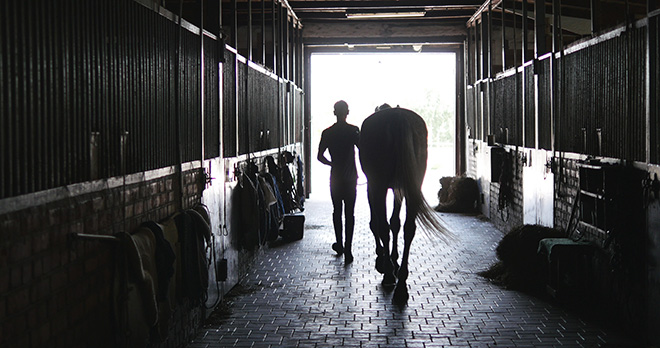
- Equine yards from livery stables to racing stables,
- a riding school or livery yard,
- a vet surgery, zoo, kennel, or animal shelter,
- or any other environment where animals are part of your work.
The Animals Act 1971
In addition to negligence law, some animal injury claims may also fall under the Animals Act 1971. This legislation makes the person in control of an animal — often an employer — legally responsible for injuries caused by animals, even when no one has acted negligently.
Many successful animal injury compensation claims arise when an animal behaves in a way that is natural for its species but still results in harm. For example, a horse bolting when frightened, kicking out when startled, or biting under stress are all recognised “flight responses.” These are normal animal behaviours, but the Act acknowledges that they can still cause serious injury.
Importantly, an employer cannot defend a claim by arguing that an experienced employee accepted the risks of working with unpredictable animals. The law recognises that workers take those risks for the benefit of their employer, the animal’s owner, or, in some cases, the paying public — such as in horse racing, eventing, and other animal-related sports.
When can you make a claim for an injury caused by an animal?
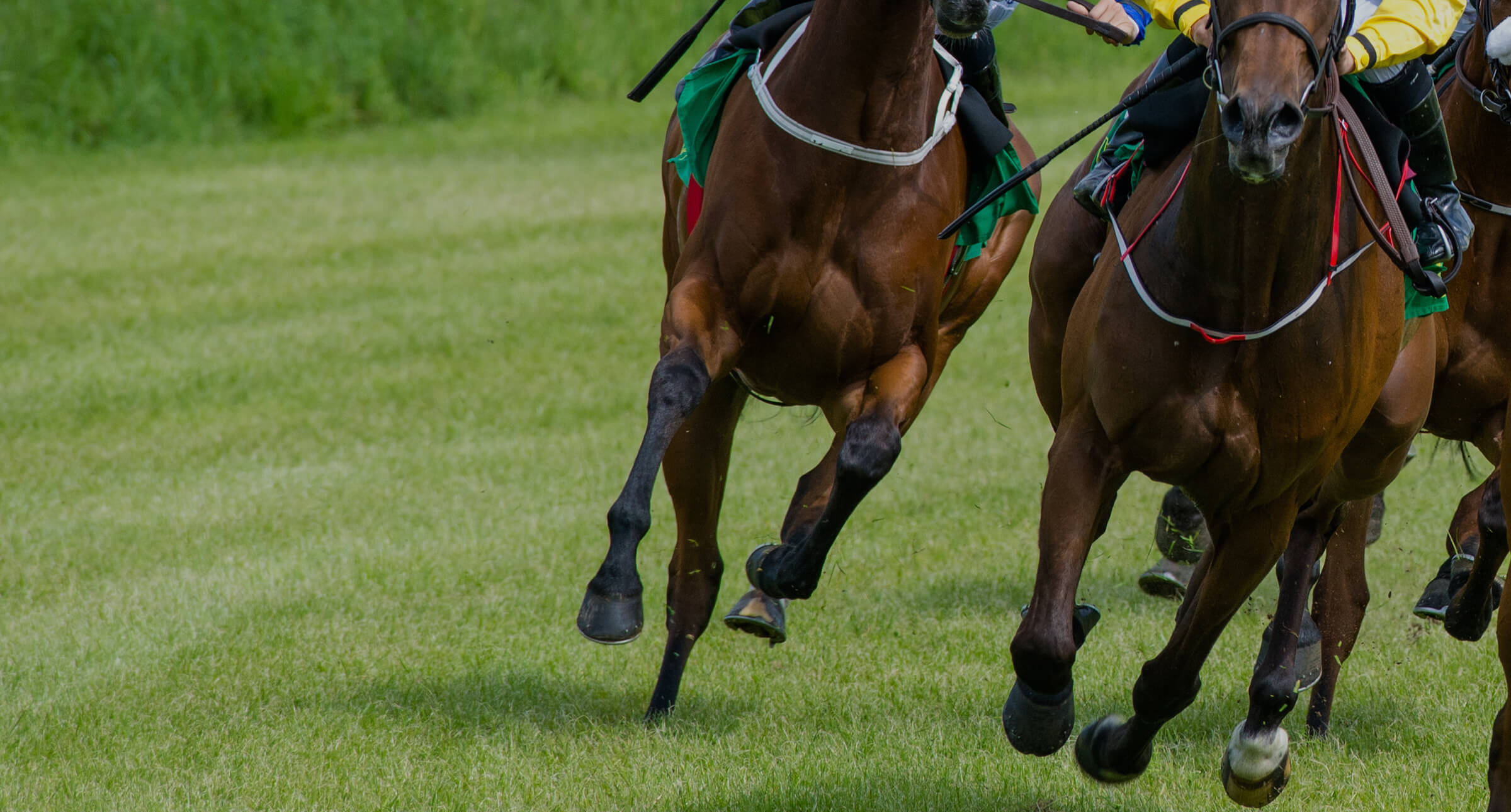
You may have experienced an injury involving a horse
We represent clients:
- kicked in the face leading a horse
- With complex leg fractures caused by other horses kicking whilst riding
- Suffering serious orthopaedic injuries and brain injuries caused by horses shying on the gallops
- With crushed pelvis injuries caused by horses rearing over.
- With devastating knee injuries caused by faulty tack like snapped stirrup leathers.
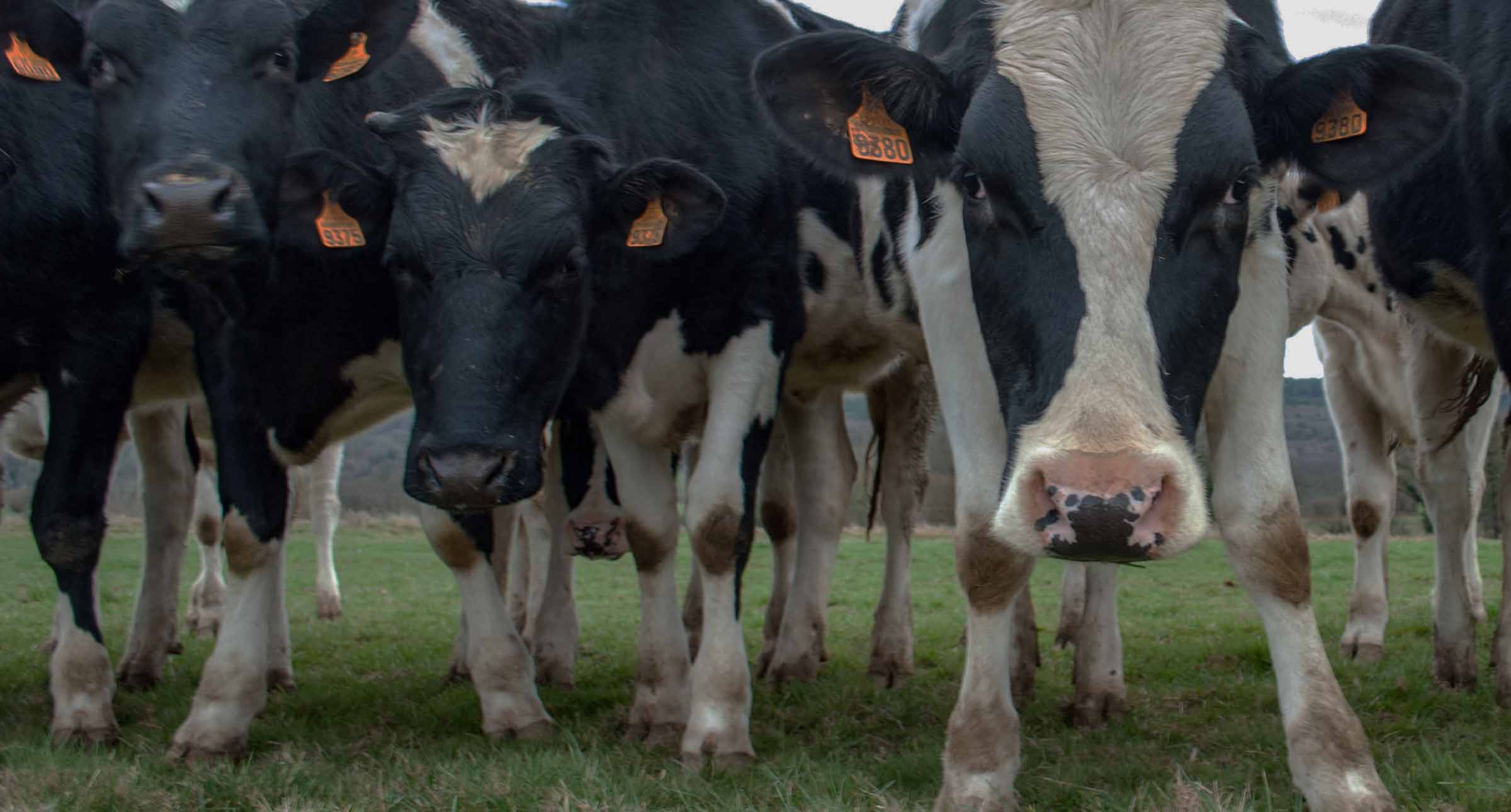
You may have experienced an injury involving a cow
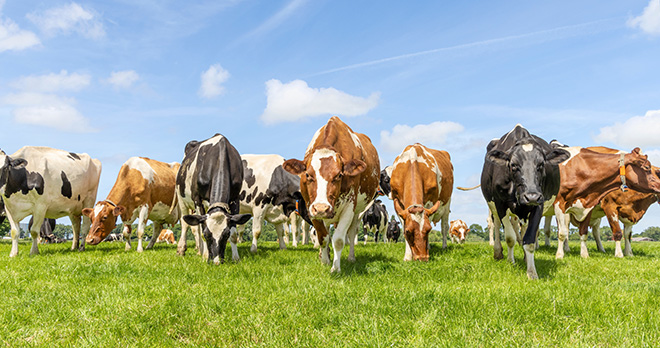
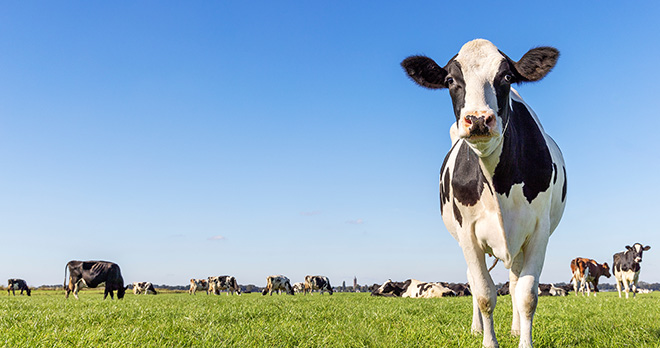
We represent farm workers injured by steers kicking and bulls crushing or cows protecting their calves. If cows are being moved in poorly maintained pens, or if there aren’t enough trained staff to help with the task, an injury could easily result. Even experienced farmers can be crushed or trampled if animals are startled — so the employer must assess and manage those risks and arrange insurance.
Other cases
We have also represented clients who have suffered serious injuries caused by aggressive pigs, as well as veterinary nurses who sustained disabling hand injuries from cats. Our team has extensive experience handling incidents like these, and many others so please don’t hesitate to get in touch if you’ve been involved in an accident caused by an animal.
Are you entitled to full pay if you’re unable to work?
If you’re injured and can’t work, your employer does not have to pay your full wage unless your contract says so. Most people will get Statutory Sick Pay (SSP), and perhaps some additional pay if their contract provides for it.
However, if your injury was caused by your employer’s negligence — or by dangerous behaviour of an animal for which they are legally responsible — you can make a personal injury claim. This is separate from your employment rights and aims to put you back in the financial position you would have been in had the accident not happened.
What can a successful claim cover:
- your loss of earnings (past and future),
- medical and rehabilitation costs,
- pain and suffering,
- and the cost of care or adaptations if needed.
This means that even if your sick pay is limited, a successful claim can recover the shortfall.
What if you’re self- employed?
In industries such as farming, equestrian work, and construction, it’s common for people to be classed as self-employed or to work on zero-hours contracts. However, your tax status alone does not determine whether you can make an injury claim.
What really matters is the nature of your working relationship. If you were taking instructions from someone, using their equipment, working set hours, or operating as part of their team, the law may recognise you as an employee or worker for the purposes of health and safety responsibilities — even if you pay your own tax.
So, don’t assume you’re unable to make a work injury claim just because you’re described as “freelance” or “self-employed.” It’s always worth speaking to a specialist personal injury solicitor to find out where you stand and what compensation you might be entitled to.
How does a claim work, and who pays the compensation?
In almost every case, employers are required by law to have Employers’ Liability Insurance. This insurance exists precisely to cover injuries to employees and workers.
So, while the claim is technically against your employer, it’s the insurer who pays any compensation, legal costs, and rehabilitation expenses. Your employer’s premium might rise, but they don’t personally fund your compensation.
The claims process generally involves:
- investigating the accident — understanding what happened and whether proper safety measures were in place.
- sending a formal claim to the employer’s insurer.
- medical evidence to assess the extent of your injuries.
- negotiating settlement, including loss of earnings and long-term impact.
Most claims are resolved without the need for a court hearing.
Will bringing a claim affect your job?
Many injured workers worry that making a claim will cause tension or lead to disciplinary action. In reality, your employer cannot lawfully treat you unfavourably for exercising your legal right to claim compensation.
If you are still employed, it’s understandable to worry about relationships at work. But the process is handled through insurance — and most employers accept that accidents happen and that claims are part of the system.
If you were to be dismissed or disciplined because you brought a legitimate claim, that could give rise to a separate claim for unfair or wrongful dismissal.
The law is complex — and every case is different
Claims involving animal injuries can be particularly complex, as they often combine elements of workplace safety law, animal behaviour, and the Animals Act 1971. Each case depends on its individual circumstances — including the animal’s history, the working environment, your role, and the employer’s safety procedures.
That’s why it’s important to seek specialist legal advice as early as possible.
At RWK Goodman, our personal injury solicitors have extensive experience supporting people who have been injured by animals at work — from stable hands and farm workers to vets and grooms. We understand the industry, how insurers operate, and how to secure the compensation you deserve.
If you’ve suffered an injury caused by an animal and are unsure of your rights, contact us today. We’ll listen, explain your options clearly, and help you take the next steps with confidence.
Attacks by animals: how to avoid them and what you can do when it happens
We hope to explain how the risk of being injured by cattle whilst out walking in the countryside can be reduced.
If you have been injured by an animal while at work, we’re here to help. Whatever your injuries, our team will be on your side to advise you on the merits of your claim and to support you every step of the way.
Call now