International Mesothelioma Interest Group (iMig) Conference – Philadelphia, 2025
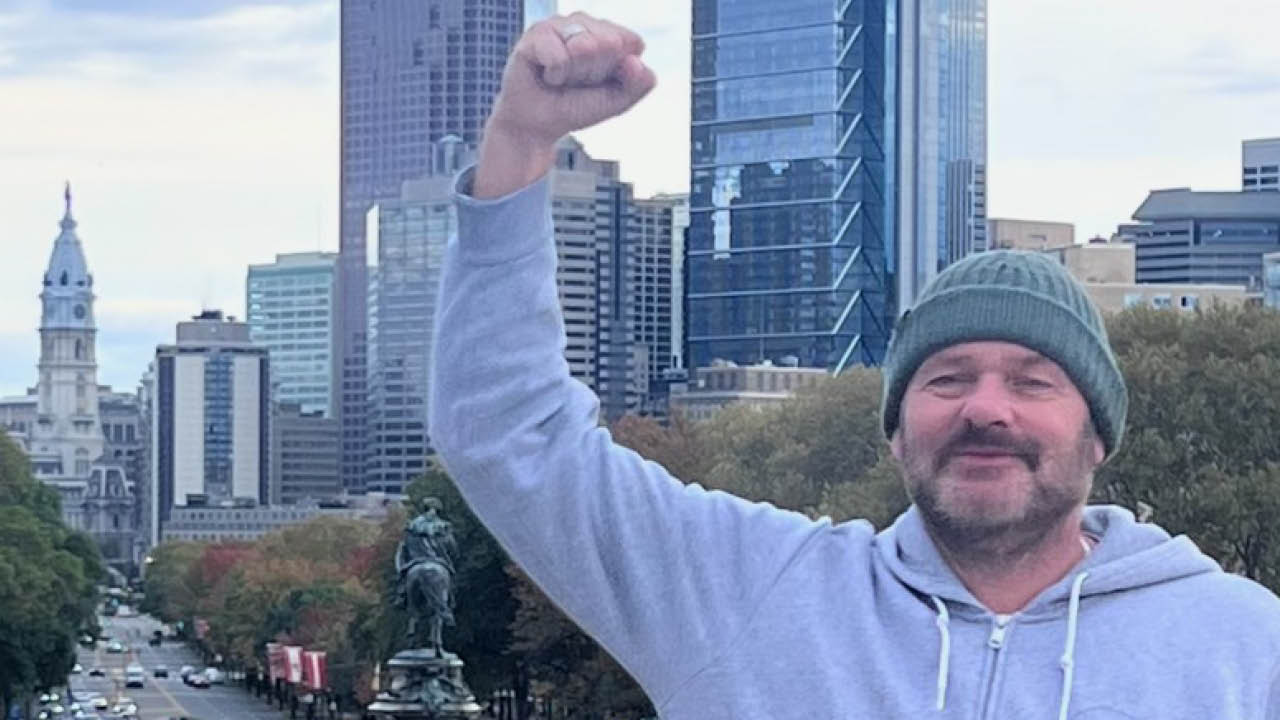
Contributing author: Simon Bolton, Lung Cancer Clinical Nurse Specialist and Mesothelioma UK Nurse
I was extremely fortunate to attend the biennial International Mesothelioma Interest Group (iMig) Conference in Philadelphia in October 2025. RWK Goodman made a significant contribution to support my attendance for which I am extremely grateful.
The iMig meets every two years for a period of four days to share latest updates on the management of mesothelioma across the world. The last conference was in Lille, France in 2023 with Perth, Australia set to host in two years’ time.
Although there is a focus on treatments such as surgery, systemic therapies and radiotherapy, there are sessions aimed at care and support, symptom management and raising awareness about the global implications of asbestos production, use and disposal.
During the conference, I was invited to chair a session for the International Thoracic Oncology Nursing Forum (ITONF). This session provided an opportunity for delegates to showcase their work. Five abstract submissions were selected for a ‘rapid fire’ poster presentation.
Topics ranged from working with those affected by mesothelioma in the UK to better understand and ‘demystify’ the role of the coroner, to the changing gender trends in the diagnosis of mesothelioma. Other talks examined the management of immunotherapy toxicities and the importance of Multi-disciplinary Team (MDT) working, locally and regionally, as well as work aimed at developing a National Multi-disciplinary Network.
To demonstrate the truly international nature of this session, four different nations were represented in the five presentations (England, Scotland, Italy and Australia).
What struck me most throughout the four days was the huge impact Mesothelioma UK nurses have in the support and management of mesothelioma. The ‘Hub and Spoke’ model provides funding for mesothelioma nurse specialists to act as clinical experts in different regions around the UK with a presence in all four nations. Seven Mesothelioma UK nurses presented work and/or chaired sessions throughout the conference.
On the third day of the conference, I was invited to present the work I have led on Improving Research Access for Mesothelioma Patients (IRAMP). This was part of the Innovative Nursing Interventions session. I was able to share the key outcomes that demonstrate the importance of a regional mesothelioma nurse specialist and MDT when supporting patients with information and decisions around clinical trials. Not all regions in the UK have access to these services and, certainly in the case of the nurse specialist, where these posts exist, they are largely paid for out of charitable funds, most noticeably via Mesothelioma UK.
There were fascinating updates from across the globe and I must give special mention to Dr Raja Singh, an International Post Doctoral Fellow who spoke about his work looking at record-keeping in India where, in many areas, mesothelioma is not recognised in spite of the significant use of asbestos throughout the country. It was a timely reminder that other nations have much to do before they can even begin to tackle the issues of research and treatment.
There was more key input into the agenda from across the UK. Kevin Blyth chaired the PREDICT Meso Endpoints School, which included talks looking at predictive and response biomarkers in mesothelioma.
Immunotherapy has become standard first-line treatment in the management of mesothelioma. However, its use varies in different countries. It became apparent throughout the conference that oncologists in many countries with healthcare systems that differ from our NHS have far greater choice about the timing of treatment with immunotherapy. It is also evident that real world experience of managing immunotherapy toxicity is not aligned to the findings of the Checkmate 743 trial, which led to the shift from chemotherapy to immunotherapy in the past four years.
Immunotherapy has made a difference to the management of mesothelioma and provided oncologists with another tool to use. But it is only one piece of a difficult puzzle and certainly not a one-size-fits-all solution. More work is needed around precision medicine in mesothelioma and with the SELECT Meso clinical trial on the horizon and ongoing developments from Anna Bibby’s work on ASSESS Meso, there will hopefully be further advances to learn about in Perth in two years’ time.
Finally, the debate around the role of radical surgery rages on. David Waller presented a case for a further randomised trial to follow on from MARS 2. He argued that the study had major flaws and therefore should not be used to alter practice, something which has happened in most areas of the UK. It certainly feels like the data has not impacted on surgeons too much beyond UK shores. Although his presentation was welcomed by many non-UK surgeons in the room, there was an inevitable challenge from UK oncologists who struggled to treat patients in the post-operative setting.
Thank you to RWK Goodman once again for providing the funding to secure my attendance at this vital conference dedicated to the management of mesothelioma.

Airborne Magazine
Read the latest news and advice from our team’s “Airborne” newsletter
Meet our mesothelioma experts