Asbestos removers – A new wave of claims?

Article written by: Andra Popoaig, Solicitor, RWK Goodman
For many years, asbestos-related claims in the UK have been brought predominantly by people exposed to asbestos during their employment decades ago – tradespeople, those working in industry, and shipyard workers. But a new group is now emerging: asbestos removers.
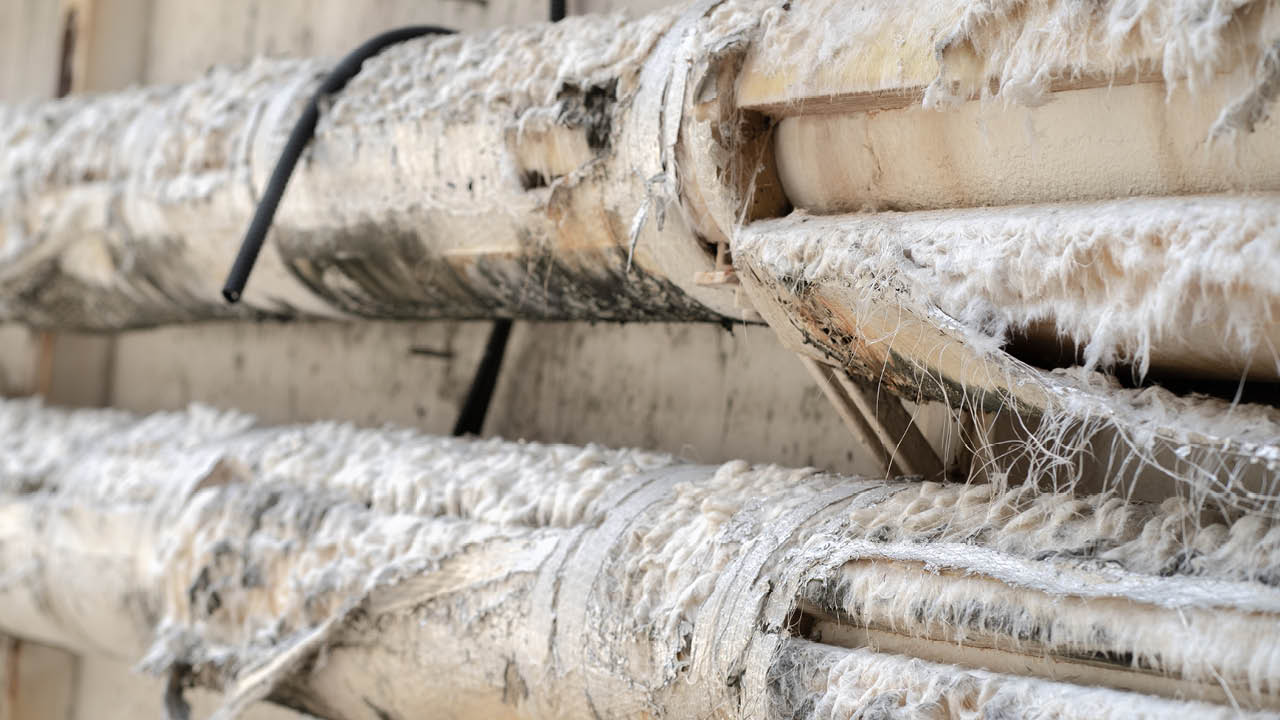
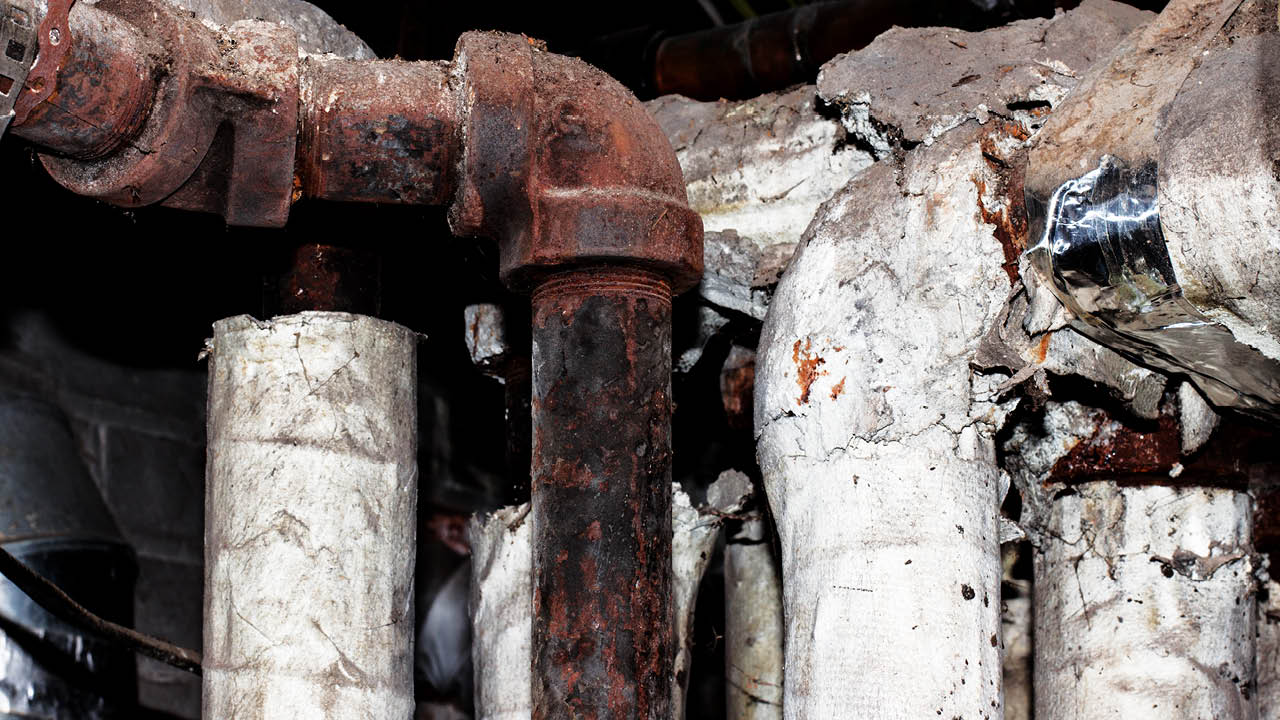
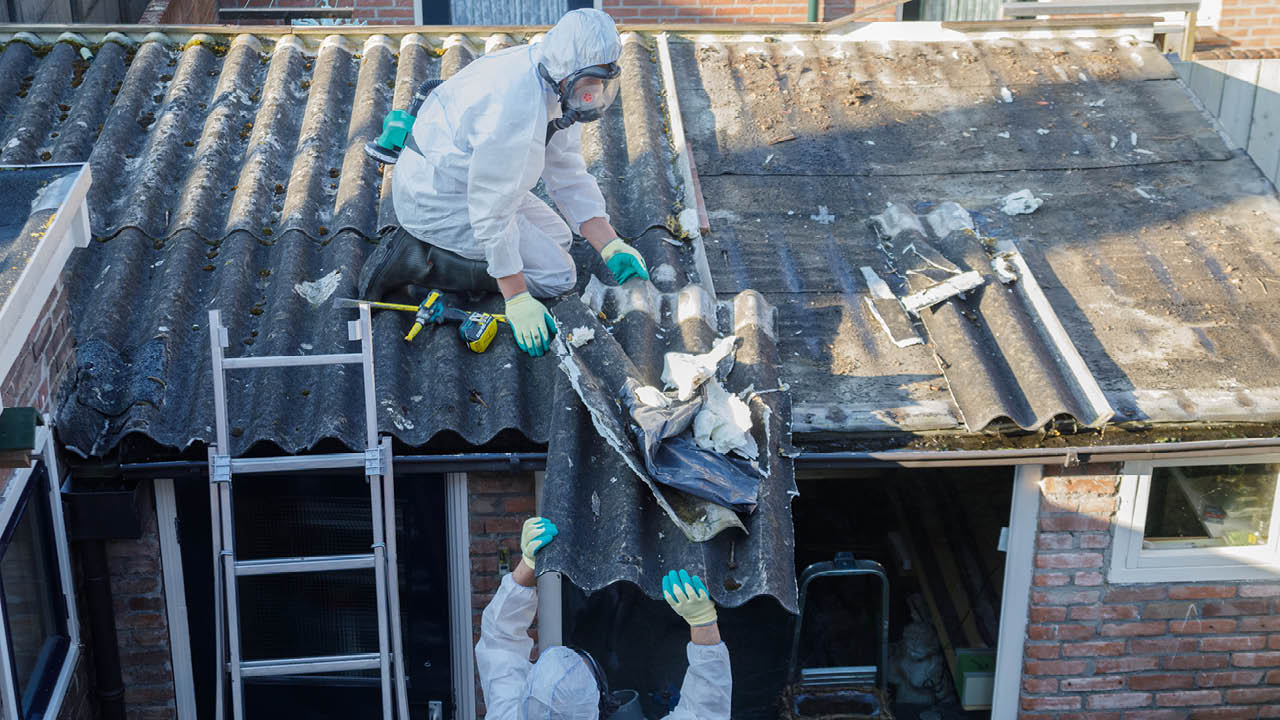
Although asbestos was fully banned in the UK in 1999, it remains hidden in millions of properties across the UK - in insulation, roofing materials, and wall panels. When those materials are disturbed, there is a risk of asbestos exposure. Workers tasked with removing asbestos are therefore facing a danger that should have disappeared long ago.
The ongoing impact of asbestos
Asbestos continues to claim over 5,000 lives each year in the UK. While the era of large-scale industrial exposure has passed, the number of asbestos claims remains stubbornly high. That’s because many modern claims arise from asbestos removal, maintenance, or demolition work, resulting in the release of asbestos fibres into the air.
At RWK Goodman, the Mesothelioma and Asbestos team recently achieved a substantial six-figure settlement for a former asbestos remover who developed mesothelioma after years of removing lagging in the early 1990s. The company he worked for had long since closed, and its insurers initially denied liability, arguing that the removal work had been properly managed and that our client had never been directly involved in removing asbestos insulation.
Through determined investigation, we gathered historic site documents, obtained expert evidence, and reconstructed the working conditions from that period. We demonstrated that the company had failed to assess the risks of exposure, provide suitable respiratory protection, or ensure adequate supervision. Ultimately, we proved that our client had been negligently exposed to asbestos and developed mesothelioma as a result. The settlement included provision for private medical treatment, which was put in place immediately following settlement.
Legal duties and where employers can fall short
UK law has imposed strict duties on employers for decades, particularly under the 1987, 2002, 2006, and 2012 Control of Asbestos Regulations. These laws require employers to carry out asbestos-specific risk assessments, provide adequate training and protective equipment to its employees, and ensure that work is conducted safely and competently.
In practice, however, many employers - especially smaller companies, contractors and subcontractors - fail to meet these obligations and keep proper documentation. They pay ‘lip service’ to the rules, providing some protective equipment, and putting in place practices aimed at ensuring those removing asbestos are not exposed, but the reality is the equipment provided is not sufficient or the procedures not sufficiently thought through, to protect these workers. The absence of records showing compliance can significantly weaken a defence. In such circumstances, the courts can draw adverse inferences, meaning they may assume that the correct safety procedures were not followed.
What this means for current and former asbestos removers
If you have ever worked with or around asbestos, whether as part of building maintenance, demolition, or removal, and have since been diagnosed with mesothelioma or another asbestos-related illness, you should seek specialist legal advice on a claim. You may think your employer or another duty holder protected you, but there may have been failings which you were unaware of.
Asbestos claims are no longer confined to asbestos exposure that happened half a century ago. Increasingly, they involve work carried out in the 1980s, 1990s, and even the 2000s, meaning that liability today often arises not from ignorance of the risks, but from deliberate breaches of established safety law or negligence because enough was not done.
Our specialist Mesothelioma and Asbestos team understands the complex mix of legal, medical, and technical issues claims based on later asbestos exposure involve and so can help you recover compensation, even if your claim is defended.
A legacy that still demands action
More than 25 years after the UK banned asbestos, its legacy continues to harm those who work to make buildings and communities safer. Asbestos removers and maintenance workers face health risks that should have ended decades ago, yet many are only now discovering the devastating effects of exposure, with no doubt many more still to be impacted in the years ahead.
For these individuals and their families, seeking timely legal advice is important, not only to secure compensation for medical treatment and financial stability, but also to hold negligent employers and other duty holders accountable. The law recognises their right to protection, and where that protection has failed, justice is both necessary and deserved.

Airborne Magazine
Read the latest news and advice from our team’s “Airborne” newsletter
Meet our mesothelioma experts