Asbestos in schools: Should we be worried?

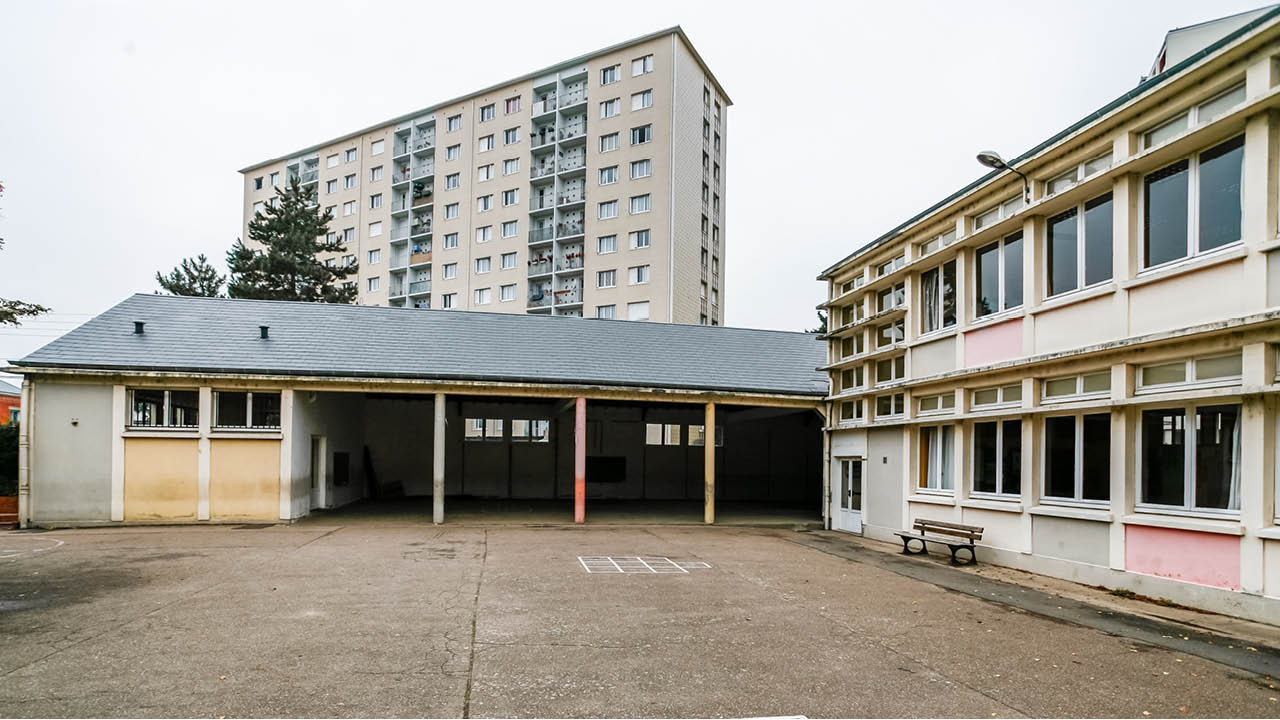
Recent asbestos breach in a Bristol school
A recent BBC News report highlighted a serious asbestos exposure incident at a primary school in Bristol. The breach occurred in May 2023 during renovation works on the school’s kitchen. Despite clear instructions not to disturb a wall known to contain Asbestos Insulation Board (‘AIB’), the site supervisor proceeded to cut through it using a circular saw, releasing a significant amount of asbestos dust into the school’s kitchen and the adjacent school hall.
Alarmingly, the school hall remained in use during the renovation works, meaning both staff and pupils were exposed to the airborne asbestos dust and fibres.
The building site supervisor attended Bristol Magistrates' Court earlier this year and pleaded guilty to breaching Section 7(a) of the Health and Safety at Work Act 1974. He was ordered to pay a fine.
Could such asbestos exposure be harmful?
It is now widely understood that there is no safe level of asbestos exposure. In this instance, it is estimated that harmful asbestos fibres spread through the primary school hall over two days whilst it was still in use by pupils and staff.
There is a risk that asbestos exposure from this one incident could lead the school staff or pupils to develop mesothelioma, an incurable cancer that develops in the lining of the lungs and is almost always caused by asbestos exposure, later in life. The condition can develop after even low levels of exposure. Whilst the risk may be considered low, it is a risk, nonetheless.
What is the current government policy on managing asbestos in schools?
The UK government has issued non-statutory guidance for managing asbestos in schools based on the Control of Asbestos Regulations 2012 and wider health and safety laws.
The guidance states that asbestos-containing materials (‘ACMs’) do not pose a risk if they are in good condition and left undisturbed. However, if ACMs are disturbed or damaged, which is more likely to happen with age and natural deterioration, then harmful fibres will be released into the air and potentially inhaled.
For most schools, the local authority is the ‘duty holder’ legally responsible for the safe management of asbestos. All staff should receive training on the requirements of asbestos management in schools, which include regular management surveys and risk assessments, asbestos management plans, asbestos location registers and training. Regular reviews of asbestos management plans and asbestos location registers are required, including updating them as and when needed.
Is asbestos in schools safe if left undisturbed?
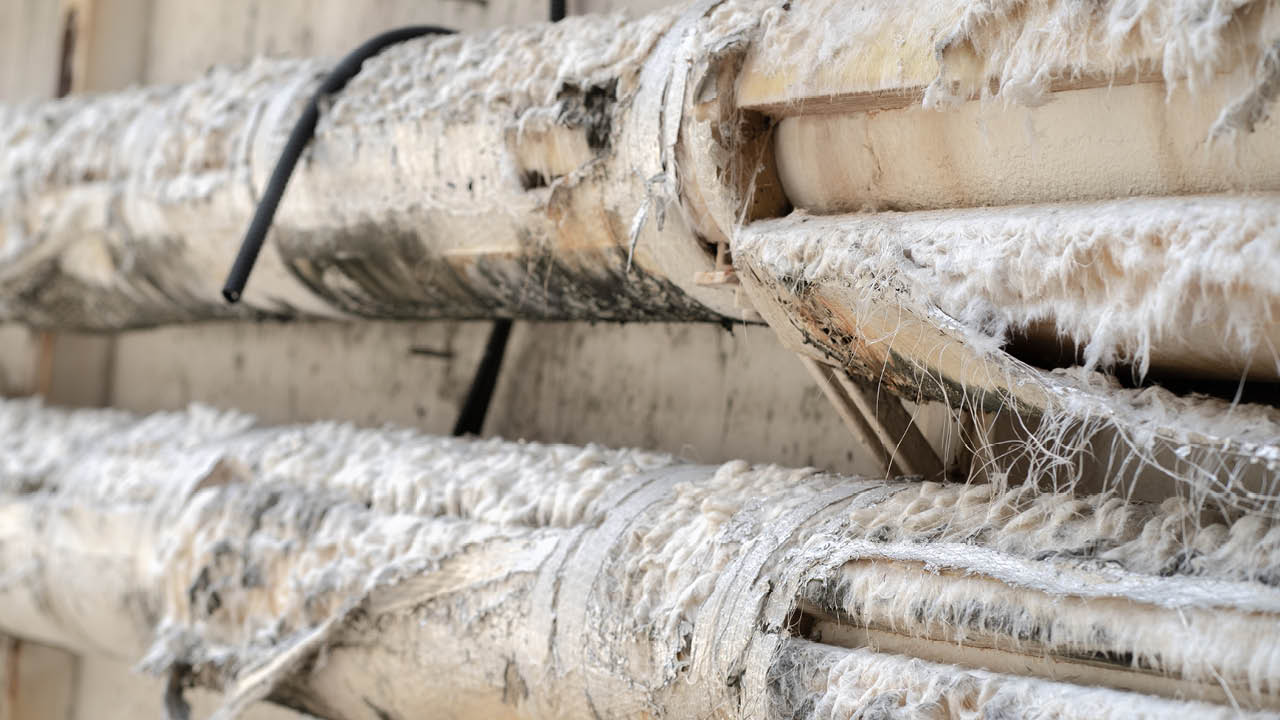
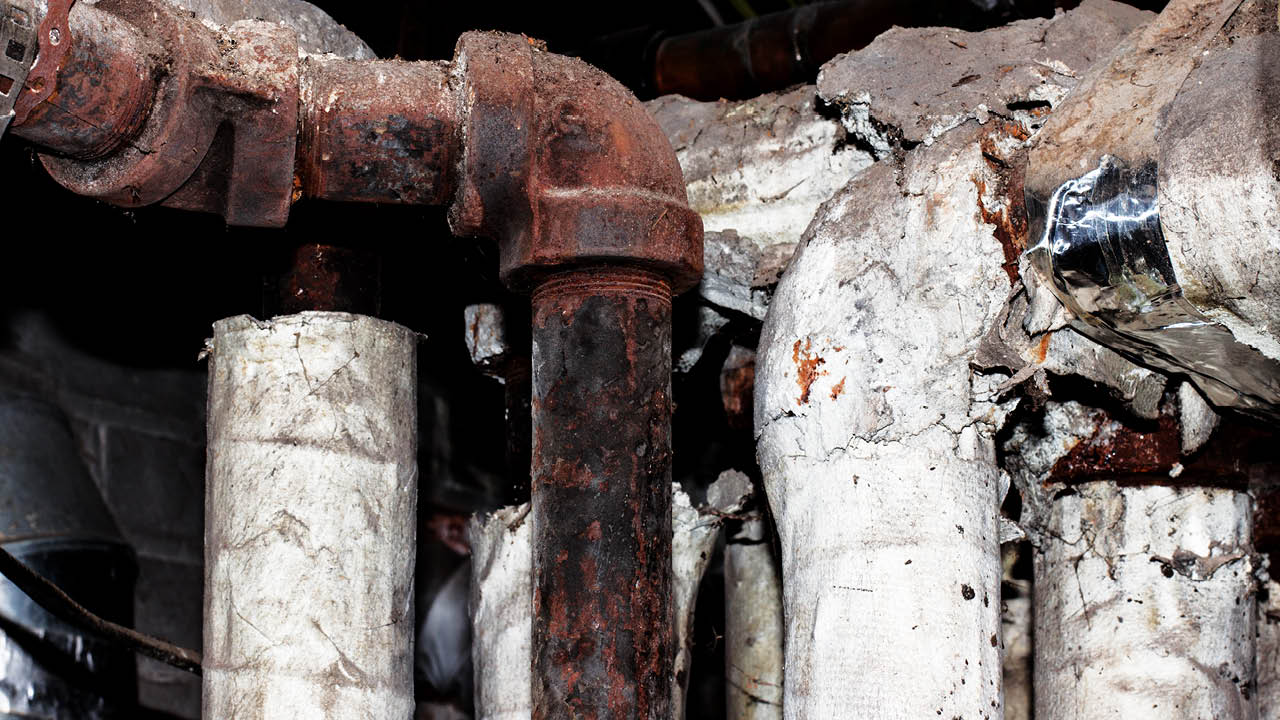
Approximately 80% of schools in the UK still contain asbestos. It is often found in materials such as lagging on pipework, insulation boards used for wall panels and ceiling and floor tiles.
The general advice given by the Health and Safety Executive (‘HSE’) is that asbestos poses little risk if it is left undisturbed. Whilst that may be true in the short term, it does not account for the fact that ACMs naturally degrade over time. As they age, they become prone to releasing harmful dust fibres into the air, even without being directly disturbed, meaning that staff and pupils in schools where there are old ACMs present could be at risk of exposure.
Furthermore, schools are busy, unpredictable environments. Relying solely on the management of asbestos in situ and not disturbing it is not enough to prevent accidental contact, such as children bumping into or damaging walls, or other unforeseen incidents that may disturb ACMs.
Concerns remain about how effectively asbestos management tasks are carried out, particularly in older schools where asbestos materials may already be degrading.
Are children more vulnerable to asbestos exposure than adults?
Whilst it is not definitively clear that children’s lungs are more susceptible to the inhalation of asbestos fibres than those of adults, the Department for Education has acknowledged that children are more vulnerable to developing asbestos-related diseases in their lifetime.
Mesothelioma can have a latency period of many decades. The higher life expectancy of children compared to adults therefore means that they are at greater risk of developing mesothelioma during their lifetime, and they are likely to develop the disease at a younger age than adults who experience asbestos exposure.
The average prognosis for patients with mesothelioma is 12 to 18 months from diagnosis, although new treatments are helping to prolong life, with significant further research ongoing. Life expectancy is always reduced from the norm, even in elderly people. However, if children are exposed to asbestos, they are more likely to develop mesothelioma at a younger age which inevitably means life expectancy will be more significantly impacted.
Are asbestos claims relating to exposure in schools on the rise?
In recent years we here at RWK Goodman have seen an increase in claims for asbestos-related diseases from individuals who were exposed to asbestos dust and fibres whilst working in a school. We have represented people who were teachers, teaching assistants, science laboratory assistants, caretakers, cleaners and kitchen staff, who were unknowingly exposed to asbestos during their careers.
The difficulty is that exposure in school settings often occurs in more subtle ways than other occupational settings, meaning that those who have worked in schools are often unaware of their exposure or cannot immediately identify it. Staff may have worked near maintenance or refurbishment projects or unknowingly used equipment containing asbestos during daily activities — particularly in science laboratories where items such as Bunsen burner mats and tripod wire gauzes with a central heatproof pad were historically made with asbestos. Exposure often occurred intermittently and indirectly, which can make it difficult to gather clear evidence and establish legal liability, with Defendants sometimes arguing that the level of exposure was too low to have created a ‘material increase in the risk’ of the person becoming ill from the exposure.
In light of these challenges, it is important that those with an asbestos-related disease that they believe may have been caused by asbestos exposure in a school setting instruct a specialist solicitor with experience of handling such claims.
A wake-up call: the ongoing asbestos risk in UK schools
The recent asbestos breach at the primary school in Bristol is a stark reminder that the everyday risks to staff and pupils in asbestos-containing environments are serious and should not be underestimated. With 80% of schools across the country still containing asbestos, the incident raises important questions about the management of asbestos in our education system and the ongoing safety of staff and pupils.
An investigation by the HSE found that the site supervisor received asbestos awareness training and so should have acted differently. It is unclear why he nevertheless proceeded to disturb the AIB, especially since he was explicitly instructed not to do so. The HSE issues guidance for tradespeople about working safely with asbestos through its website. It is worrying that, despite all the information and guidance available, the site supervisor still put the safety of himself and others at risk. The impact is unlikely to be known for years to come, as it can take decades for symptoms to develop after asbestos exposure.
Perhaps more needs to be done to educate building contractors on the full extent of the risks to health posed by even a single incident of asbestos exposure. The incident at the Bristol school is a prime example of the dangers of asbestos exposure not being taken seriously enough. There is a common misconception that some types of asbestos, such as white asbestos (chrysotile) are safe, and this type of asbestos is frequently found in schools. In fact, all types of asbestos fibres are dangerous, and they can all cause asbestos-related diseases, including mesothelioma.
Is asbestos management working or is it time for change?
The UK has the highest mesothelioma death rate for teachers. Official statistics state that 305 former teachers died from mesothelioma between 2001 and 2016, but this figure is likely to be underestimated. In 2020, the HSE published a report stating that the profession with the highest incidence of mesothelioma in females was teaching/education. This is unsurprising given that such a large proportion of UK schools contain asbestos.
Given these statistics it is clearly arguable that the current strategy of managing asbestos in schools is ineffective, as the regulations are being breached, and an increasing number of teachers and other school staff are going on to develop mesothelioma later in life. If asbestos continues to be left in situ, the risk to teachers and pupils will inevitably increase as ACMs continue to age and naturally degrade over time. In my opinion, the government needs to set out a clear plan and commit to a strict timeframe for the safe removal of asbestos from all schools across the country. Specialist contractors would be able to undertake the removal works safely with all the necessary precautions taken. This is the only way to keep teachers and school staff safe at work, and pupils safe during their education.
At RWK Goodman, we have supported many individuals and families affected by asbestos exposure in schools, and we are committed to exploring every angle to secure the compensation they deserve. If you or a loved one believe you may have been exposed to asbestos in a school environment, whether as a pupil or as a member of staff, our specialist Mesothelioma and Asbestos team is here to offer advice and support.

Airborne Magazine
Read the latest news and advice from our team’s “Airborne” newsletter
Meet our mesothelioma experts