Are ‘urban explorers’ at risk of exposure to asbestos?

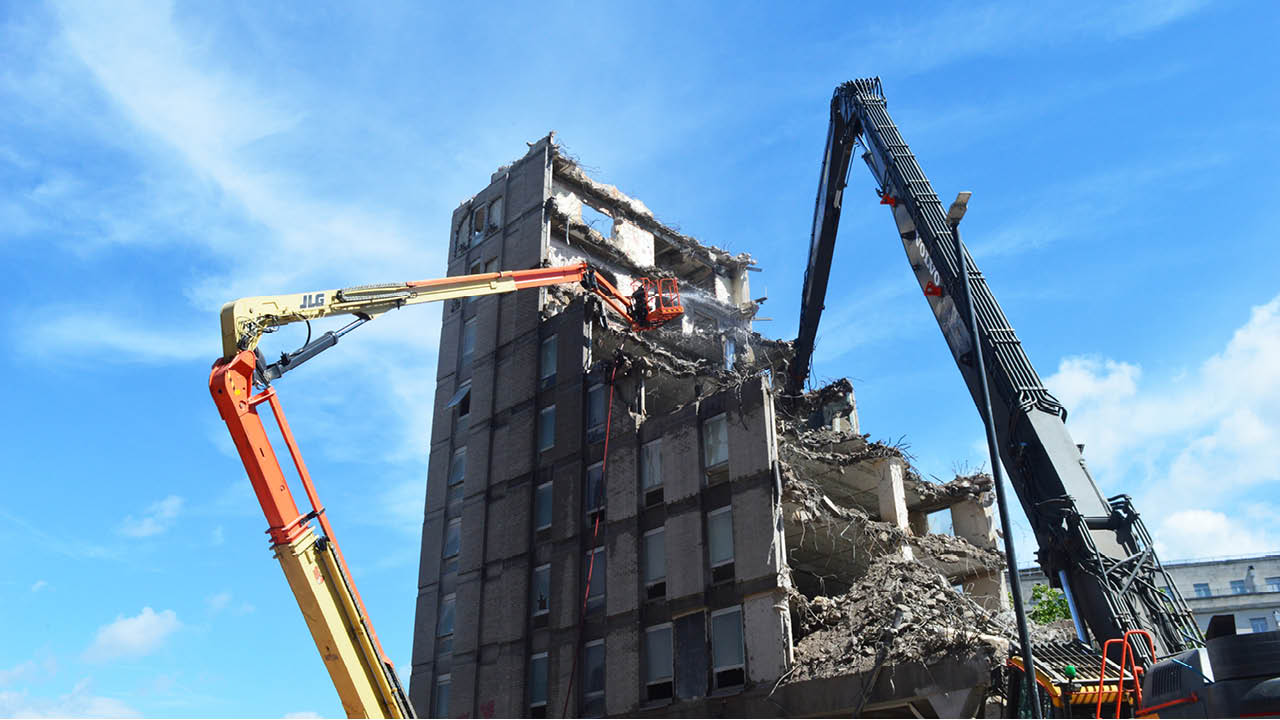
In recent years, ‘urban exploration’ has become very popular, with a growing online community sharing photographs and videos of abandoned properties and sites they have explored. What started as a niche hobby for thrill seekers has seemingly become a global trend. No doubt the use of social media has helped the popularity of urban exploration to soar, with explorers being able to share their adventures with millions of viewers at the touch of a button, no doubt inspiring others to try it. However, are those involved in the pastime exposing themselves to unseen dangers?
What is urban exploration?
Urban exploration, also known as ‘urbex’ involves exploring buildings and sites which have been closed, abandoned, hidden, and which are generally off-limits to the public. Urban exploration allows people to ‘step back in time’ by exploring buildings which have usually not been used in many years. Some describe it like travelling in a ‘time capsule’ and being transported back in time, being able to visibly see the past. Other explorers enjoy ‘roof topping’ which involves scaling buildings and accessing rooftops and tall structures to enjoy amazing views. Others prefer exploring tunnels and underground areas to be challenged by the eeriness of the environments, and maze-like underground networks.
Why do people enjoy urban exploration?
As someone who is very interested in history and all things ‘vintage’ I certainly see the appeal of this pastime. It must be quite exciting to explore buildings and structures that have not been touched in years, often decades, and get an insight in to how people lived and worked in the past. Some explorers report seeing how buildings have been left, and decayed, as beautiful and something which brings the past alive. There must also be something quite nostalgic about visiting buildings you have been to in the past and seeing them again years later. For example, the primary school you attended or a nightclub you frequented in your youth.
Where do urban explorers go?
Urban explorers seek out a range of buildings, structures and sites which have not been seen in years. From abandoned houses and mansions, to factories, warehouses, schools, hospitals, nightclubs, amusement parks, underground tunnels and disused train stations. The possibilities are endless. Indeed, when I began researching this subject I followed an online urban exploration community in my local area. I was shocked at the number of buildings in my region which were being explored and posted about. I really never realised just how many buildings are literally abandoned. Houses full of furniture and the fridges full of food, family photos still on the walls. It is as though the family who lived there went out for the day and never came back. Schools with children’s artwork still on the walls, textbooks in the classrooms. It really is a trip into the past. However, often the buildings are also crumbling, interior ceilings have fallen down and fixtures and fittings have been damaged through vandalism. Photos often show premises in a terrible state; damaged, decaying and covered in dust and debris.
Is urban exploration legal?
In England and Wales, entering a property without explicit permission is trespassing. However, trespassing is a civil matter, so it is not illegal as such unless entry is forced, or damage is caused. Only then does it become a criminal issue. Many urban explorers claim that if they gain lawful access without breaking and entering, they are doing nothing wrong.
The key, unwritten rule of urban exploration is to leave the location as you found it: ‘take only pictures, leave only footprints’. Most who undertake this as a hobby do not want to cause damage. Indeed, they want these properties to be preserved and to document their findings with photographs and recordings, rather than seeking to steal items or vandalise the properties.
What are the risks?
Urban exploration is an inherently risky activity. First and foremost are the potential legal implications of going into buildings and structures without permission, and the unknown outcomes of that if the owner decides to take civil action against the trespasser.
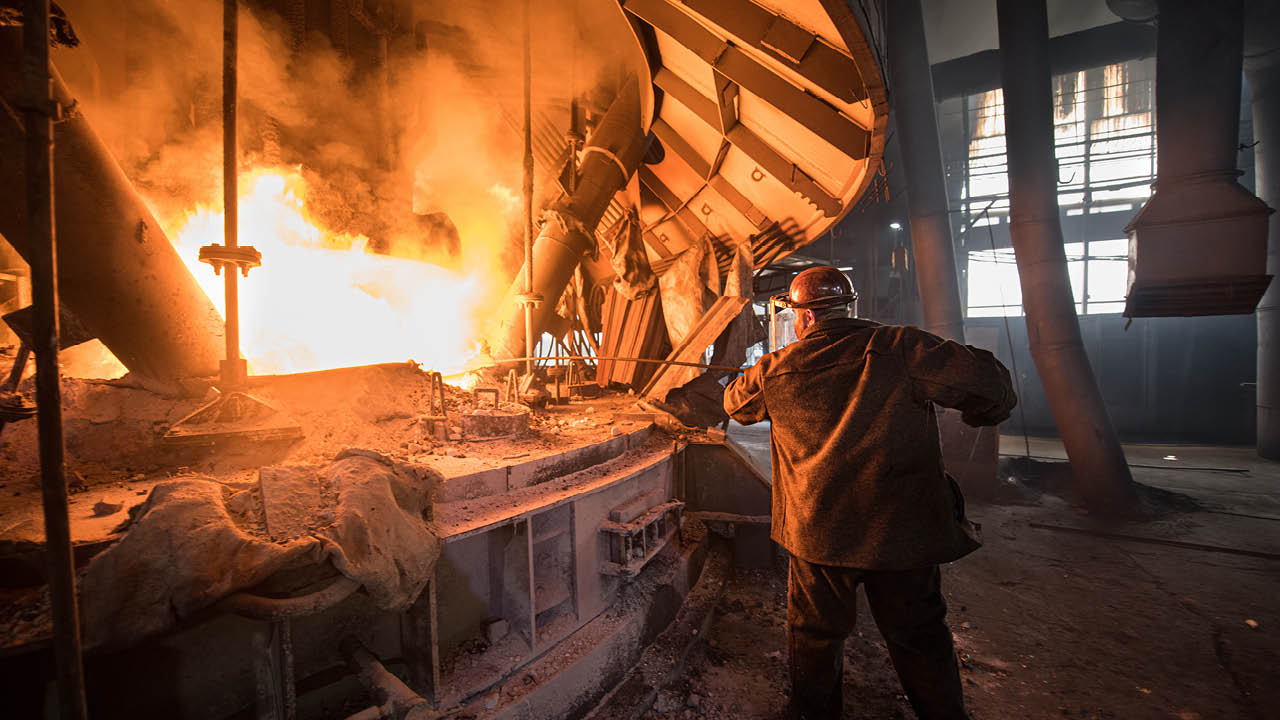
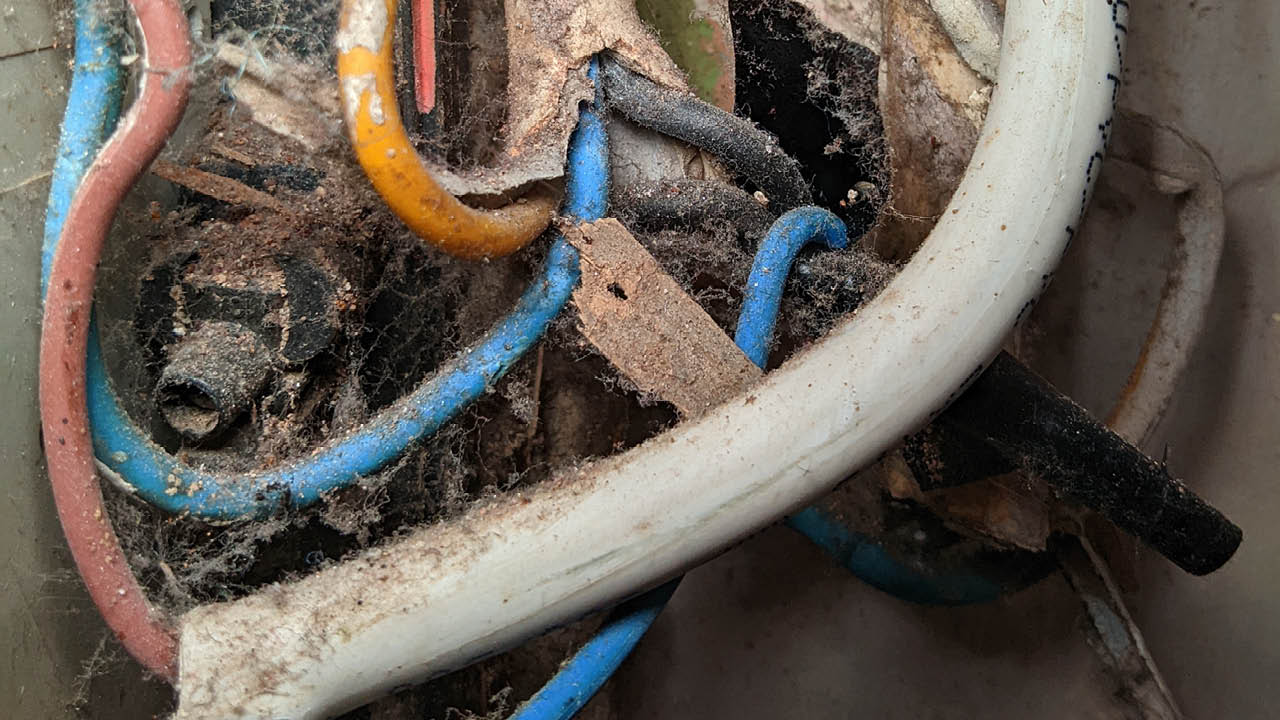
However, perhaps a more serious risk is that explorers do not know what condition the premises that they are going into will be in, or what might happen whilst they are there. From structurally unstable buildings, unsafe and uneven floors and hazardous substances, the risks of becoming injured must be significant. Those who explore alone could fall or become trapped. Live electrics present a risk of electrocution. Animals may have sought shelter in the properties and be startled by a new presence or squatters may take issues with explorers invading what they see as their home.
What about asbestos?
As a solicitor who has spent her career representing people with mesothelioma, an incurable cancer caused by exposure to asbestos, it is easy for me to see the potential risk of explorers being exposed to asbestos dust. Even very low levels of inhaled asbestos can cause mesothelioma decades after exposure, and explorers will not know what materials have been used in the fabric of the buildings they are exploring, or if asbestos containing materials are present and in a damaged or poor condition.
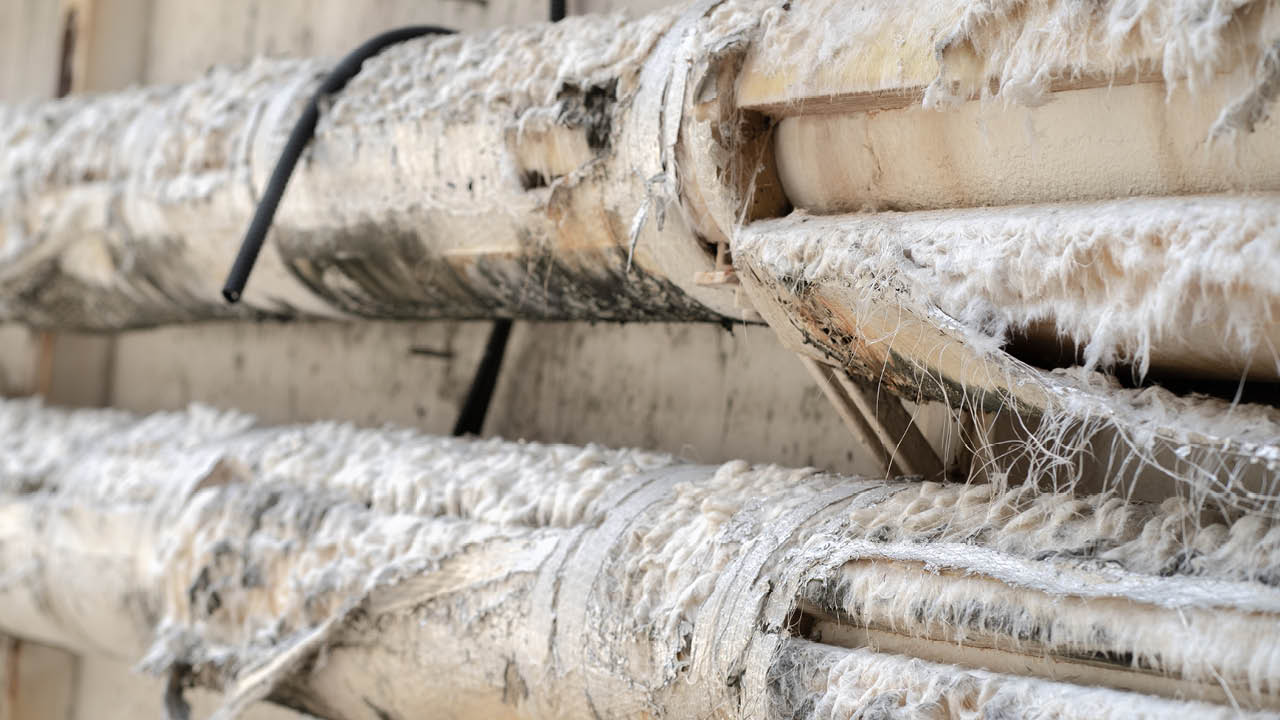
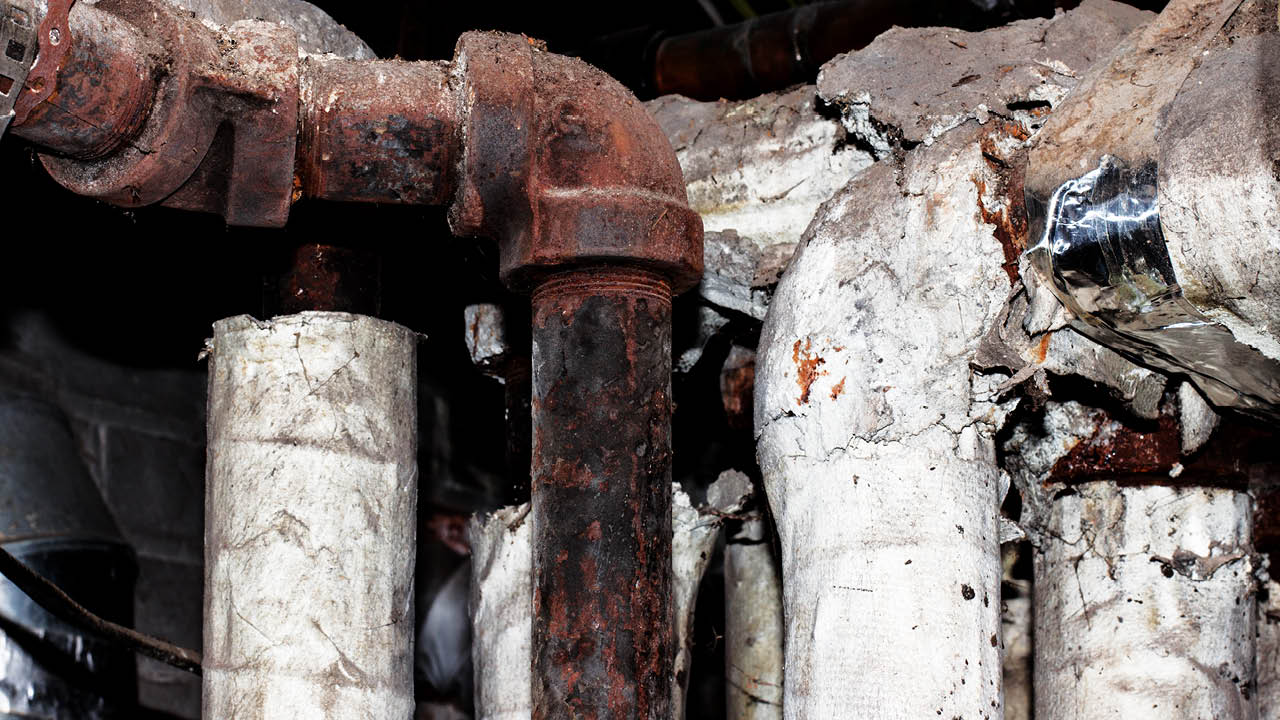
From what I have seen two of the most popular sites for exploration are schools and hospitals. Asbestos-containing materials was used substantially in these buildings with lagging to thermally insulate pipework, asbestos insulation board for wall panels, ceiling tiles and doors as a means of fire protection, and in thermoplastic floor tiles. Even old toilet cisterns contained asbestos. It is thought that at least 80% of open UK schools and hospitals still contain asbestos. Even where it is apparently being managed properly, you only need to look at the statistics of the number of teachers and school staff sadly developing mesothelioma to understand that this is a real issue. Therefore, surely the risk must be even greater in such buildings that are not being looked after and maintained.
With many buildings being in an old, decaying condition, having suffered natural wear and tear from years of lack of maintenance, as well as purposeful damage from acts of vandalism and squatters, it is likely that many of these buildings contain airborne asbestos dust.
Whilst many have heard of asbestos and know it is dangerous; it is still questionable whether the average person understands the extent of the risk posed. Also, it must be remembered that urban exploration is now a cultural phenomenon attracting the younger generations, who may have been born after asbestos was banned in the UK and who may have never heard of it or understand the dangers it presents. In August I read a piece in Devon Live where Paignton Police were appealing to parents to speak to their children about the risks after receiving an increase in reports of young people visiting abandoned sites for exploration purposes.

Do I have any rights if I become ill or am injured whilst exploring?
Whilst it is possible for a person injured, or their family, to claim compensation from the owner of the land or property where they were injured, undoubtedly it would be met with challenge given the person was trespassing. Obviously if express permission was sought and granted things would be different. It is likely that a number of factors would be taken into account including how secure the property or site was, the presence of warning signs asking people not to trespass, or to warn about dangers within the property or site such as asbestos.
Each case is likely to be fact-dependent, however it would likely be difficult to establish breach of a duty of care or negligence if such warnings were in place and an explorer ignored them. At the least, it is likely that the explorer would be considered to be ‘contributory negligent’.
In the context of mesothelioma, it may also be difficult to establish causation, if the explorer was unable to identify with certainty the presence of asbestos-containing materials at a site, or if they had explored many sites and could simply not remember which ones potentially exposed them to asbestos.
‘Rochdale’s Chernobyl’
Over the last year there have been numerous reports in the media about the problem of urban explorers visiting the site of the former Turner Brothers Asbestos (TBA) factory in Rochdale. Alongside Cape Asbestos, Turner & Newall (T&N) the successors of Turner Brothers was the UK’s largest manufacturers of asbestos products.
The premises in Rochdale was once one of the largest employers in the area, reportedly manufacturing asbestos products since 1879. In 1924 it was the scene of the first recorded asbestos death in the UK of textile worker Nellie Kershaw. By the 1970s it is estimated that 2,250,000 miles of cloth and 5,500,000 miles of yarn were produced at the factory, all made from asbestos fibres. The factory was described by some living nearby as a ’winter wonderland’ in its heyday because of the vast amount of asbestos dust in the air in the factory and surrounding area.
Due to the contamination of the land and premises, the factory has lay vacant since manufacturing ceased in the 1990s and the factory closed in 1994. Whilst a number of plans to remediate the land and redevelop it have been proposed, due to the concern over the presence of asbestos nothing has been approved. It is a 75-acre site which is therefore crumbling and becoming more dilapidated as the years go on.
Local residents are becoming increasingly concerned about the risk posed to the surrounding area and the site has sparked media attention due to videos being posted online showing the vast interior falling apart. The media have coined the phrase ‘Rochdale’s Chernobyl’ to describe the factory. This site is a prime example of the risks posed to urban explorers entering abandoned buildings, lured in by the intrigue, but without fully understanding or recognising that their lives could be in danger from deadly dust within.
Conclusion
Whilst I expect urban exploration can be an interesting and exciting hobby, the risks of injury at the time, or illness in the future from the development of mesothelioma caused by inhaling asbestos should not be underestimated. Noting can ever be worth the risk of becoming seriously ill or injured so those who embark on these adventures should really give it thought, and if they are still intent on exploring take necessary precautions to reduce the risks as far as possible.

Airborne Magazine
Read the latest news and advice from our team’s “Airborne” newsletter
Meet our mesothelioma experts