What you might need to know when you’re injured by an animal

If you or someone close to you has been injured by an animal, you may be wondering what your options are. Here, we explain what you might need to consider in the event of an injury caused by an animal.
As animal accident solicitors, we regularly represent people injured by animals, securing them compensation to reflect the nature of their injuries and any resulting financial losses.
Here, we’ll help you understand what you might need to know after an injury caused by an animal, in order to place yourself in the best position to provide the things that your legal team are likely to discuss with you.
There are particular things that can be done in some accident circumstances, that cannot be done in others, so we have considered things as broadly as possible.
What kinds of animals often cause injury?
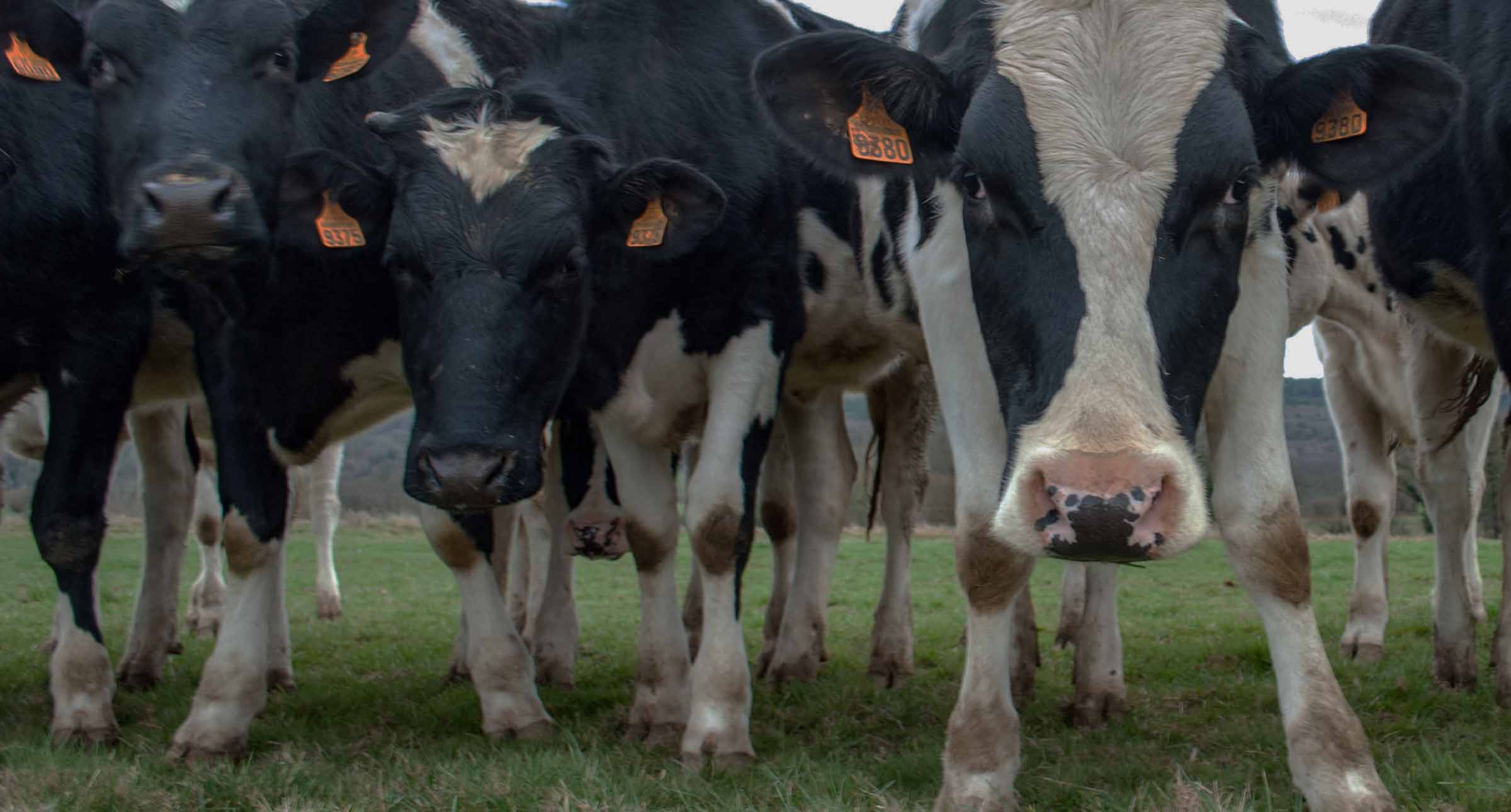
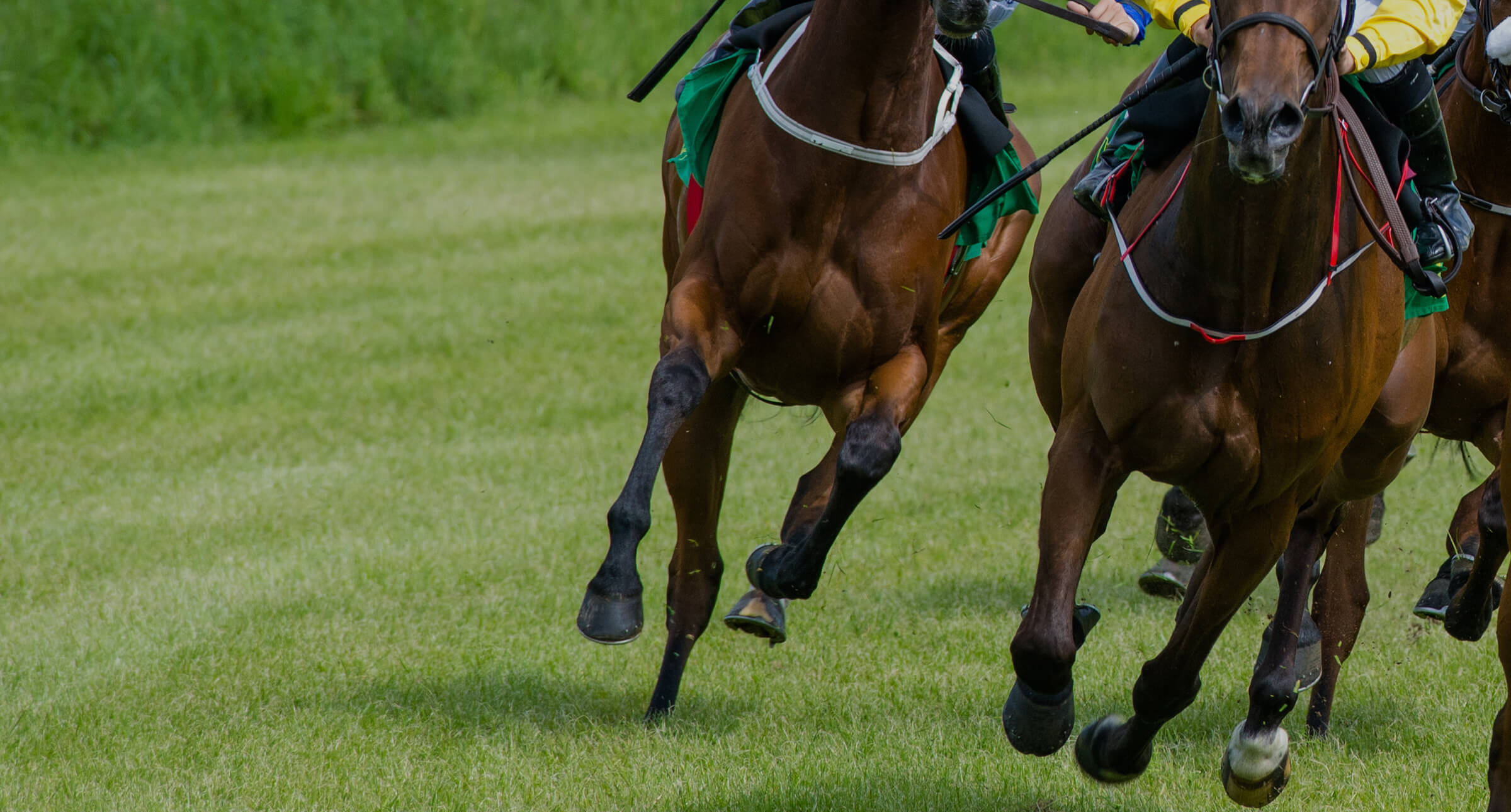
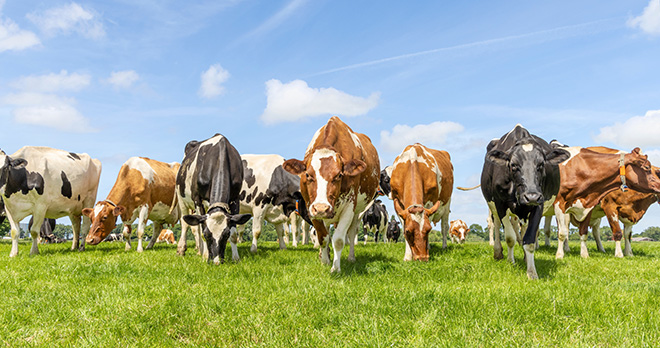
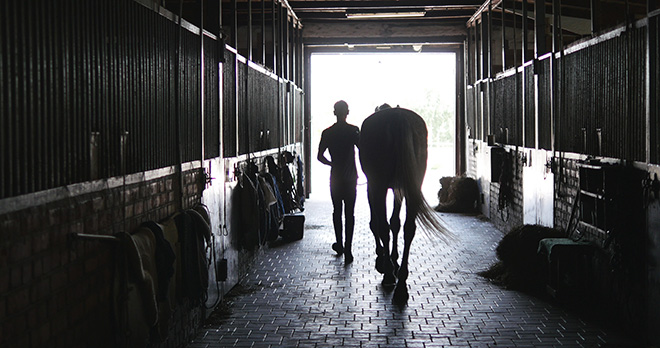
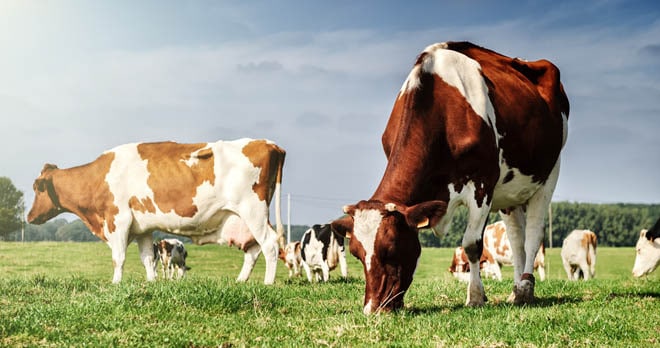
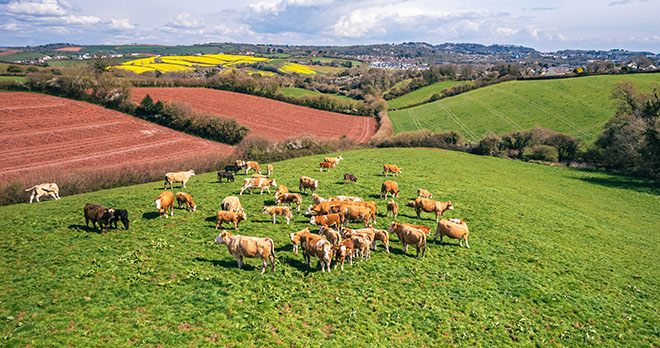
The animals responsible for causing the vast majority of our client’s injuries are generally horses, cattle and dogs. The range of accident circumstances can vary significantly. These include:
- a groom being kicked by a horse in the course of their employment;
- a rambler being attacked by cattle on a public footpath;
- a dog biting and mauling a member of the public.
What injuries might be caused by an animal?
The range of injuries caused by animals can be very significant and sometimes fatal. The severity of the injuries generally reflects the size, speed, aggression, and force involved when the accident happens.
We regularly represent clients who have significant injuries such as:
- spinal cord injuries;
- brain injuries;
- very significant orthopaedic injuries causing lifelong difficulties;
- significant scarring;
- psychological injuries.
What you might need to consider when injured by an animal
In the vast majority of cases, the onus is on the owner or keeper of the animal to ensure that every reasonable step is taken to ensure that their animal does not cause injury to a person.
It is also the duty of the person responsible for the animal to insure it, rather than the employee or member of the public being responsible for insuring themselves against damage being caused by an animal belonging to a third party.
It is fair to say that if you are injured by an animal in the course of your employment you probably have more protection than a member of the general public who is injured by an animal. However, that is all very fact specific.
The main thing to do if you or a loved one is injured by an animal is to seek medical attention. If and when the injured person is then in a position to take legal advice, it is worth exploring the possibility of a claim for compensation against the owner or keeper of the animal that caused the injuries.
What is the law around animal injury claims?
Claims should be considered as a case of negligence i.e. that the person responsible for the animal was at fault, thereby breaching the duty of care leading to a foreseeable injury occurring.
Also, claims should be considered under the Animals Act 1971. Claims under the Act do not require the injured person to prove that the keeper of the animal was at fault. An injured person may succeed with a claim under the Animals Act if they can establish the relevant criteria for a strict liability claim. This does not require the injured person to prove that the keeper of the animal was at fault. The keeper of the animal has available to them statutory defences which may be relied upon to defeat a claim.
10 things to do if you are injured by an animal
Assuming you are safely able to do so, and your medical needs are already being met, it may be worth you considering the following points:
-
Obtain contact details
Obtain the details of the person or people responsible for the animal(s) in question alongside any relevant insurance details and report the accident to the owner of the animal. The owner of the animal may not have been present at the time, or may be unaware that the incident has occurred.
-
Report the incident
Report the incident to the relevant authorities. This may include the police, Health and Safety Executive (HSE) or the local authority public rights of way officer. It is worthwhile to keep records of any reports you made at the time.
-
Make notes and seek witnesses
Prepare your own notes, statement or proof of evidence summarising what happened, how it happened, and organise a file in which you can deposit relevant correspondence, including details of your injuries. Also, obtain contact details for any relevant witnesses and consider asking them at an early stage to make a note of what they saw.
-
Gather evidence of the incident
Gather evidence such as photographs of the animal(s), the location in which the accident occurred, your injuries, and anything else that might be relevant, such as your clothing, training records, signage, equipment etc.
-
Research the animal involved
Research online to see if the animal(s) involved have been responsible for other injuries locally or speak to colleagues about their experiences with the animal(s) involved.
-
Seek evidence from CCTV and HSE if available
Make enquiries to preserve evidence such as CCTV footage or photographs/videos obtained by HSE and other recordings. We have recently seen photographs taken by an HSE drone which were particularly helpful in a case and TV footage of a horse race in which a jockey was injured.
-
Record any financial impact
In addition to your legal team obtaining your medical records and medico-legal evidence from experts in the relevant fields, it is also necessary to consider the financial losses arising from your injuries. Often, it is necessary to look at your pre-accident records as well as considering the changes in your circumstance, and the overall impact on your finances following the accident. To make that job easier, it is good to organise your records and keep them somewhere easily accessible so that you can provide them to your legal team when requested to do so.
-
Check your insurance
Many cases of this nature can be funded by way of a Conditional Fee Agreement more commonly known as No Win No Fee Agreement with suitable after the event insurance. You may have a suitable policy of before the event or pre-existing insurance to help you fund your claim, so it is worth reviewing your insurance documents for any policies which applied at the date of the accident.
-
Seek support from relevant charities
Contact charities that may be able to provide support and guidance, even if you do not have a claim for compensation. Examples include:
-
Research personal injury experts
Research a personal injury solicitor who is an absolute specialist in dealing with cases of this nature.
Too often, unfortunately, we are instructed too late in the day to take over the conduct of cases being conducted by other firms of solicitors with whom clients are unhappy or we see clients having their claims abandoned because they have not instructed a specialist in this area of work.
Solicitors specialising in this work will already have good relationships with barristers and experts practising in this field too. Sometimes evidence from experts in the behaviour of the relevant species of animal can be particularly helpful.
If you have been injured by an animal, and you believe the owner of the animal was either at fault or that you may have a claim under the Animals Act 1971, then you should take legal advice on the merits of bringing a personal injury claim.
Call us