Spinal cord injury: when routine healthcare isn’t routine

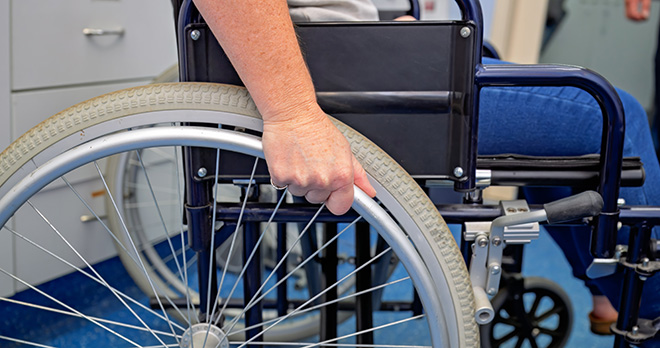
A routine healthcare appointment should be exactly that: routine. You book it, turn up and expect the examination or screening to happen.
For some women living with spinal cord injury (SCI), it can be very different. A cervical screening appointment may depend on whether there is an adjustable couch or a safe way to transfer onto it. A mammogram may be difficult or impossible if the equipment assumes the person being screened can stand.
It sounds basic. But if you cannot get onto the examination couch, the appointment may as well not exist.
As a claimant solicitor, this caught my attention because the same question arises repeatedly in serious injury work: what does healthcare actually look like for the person trying to access it?
A spinal cord injury can affect mobility, sensation, bladder and bowel function, skin, pain, sexual function, breathing, temperature regulation and mental wellbeing. But the experience of healthcare after SCI is not the same for everyone. Sex and gender can affect the health issues someone faces, what professionals ask about and the practical barriers they encounter.
The Spinal Injuries Association (SIA) has been drawing particular attention to the experience of women. In 2024 it began its women’s health campaign and brought together a Women’s Health Taskforce involving parliamentarians, healthcare professionals and women with lived experience. Much of that work comes back to the same problem: ordinary healthcare is still not equally accessible to everyone.
Why sex and gender matter
It is useful to separate sex from gender here. Sex relates to biological differences, while gender is about the roles, expectations and assumptions that can influence how people are treated.
After SCI, both can matter. Biological factors may be relevant to bladder care, periods, fertility, pregnancy, menopause, pain or bone health. Gender can influence the questions professionals ask and whether someone feels comfortable raising subjects such as contraception, parenting, mental health or caring responsibilities.
SCI research and rehabilitation have historically involved more men than women, reflecting in part the fact that traumatic SCI is more common in men. If most of what we know is based on men, it is easy to miss needs that are more common, or different, in women.
When routine healthcare is anything but routine
SIA has highlighted inaccessible GP surgeries and hospitals, limited specialist knowledge and difficulties accessing screening, reproductive healthcare, physiotherapy, mental health support and gynaecology.
Much of this is ordinary healthcare. The difficulty is that a service can be available, and an appointment offered, without being genuinely accessible to the person who needs it.
That may be because of the building, the equipment being used or the way the appointment is organised. Whatever the reason, an available service is of little value if the person who needs it cannot actually use it.
Healthcare is about more than the spinal injury
There is another risk too: that healthcare becomes so focused on the spinal injury that the rest of the person is pushed into the background.
Women living with SCI may still need advice and care around periods, sex, contraception, fertility, pregnancy and menopause. Some may need more time, different equipment, reasonable adjustments or specialist input. Those needs should not come as a surprise when someone arrives at an appointment.
Men with SCI may have different concerns, including erectile function, fertility and testosterone. They may also find some subjects difficult to raise.
Nor will everybody’s experience fit neatly into those categories. Trans and non-binary people living with SCI may encounter additional barriers where services lack confidence in discussing disability alongside gender identity.
Professionals will not always know the answer. But they should feel able to ask sensible questions, listen properly and seek specialist advice when they need it.
Who gets seen in the research?
Research matters because it influences the guidance clinicians follow and the services that are developed.
Women have historically been under-represented in parts of SCI research. If studies do not capture different experiences, or results are not examined by sex and gender where relevant, important patterns can be missed.
That can then feed through into healthcare. If women’s needs are less visible in research, they may also be less visible in guidance and service design. The same concern applies to groups whose experiences are rarely represented at all.
If particular groups are poorly represented in research, it becomes much harder to know whether services are meeting their needs.
What better access looks like
Services can ask about access requirements before an appointment rather than discovering them when the patient arrives. They can make sure suitable examination equipment is available and allow enough time for transfers or more complex consultations. Staff can know when they need advice from an SCI specialist rather than expecting the patient to explain everything themselves.
There also needs to be room for conversations about bladder and bowel care, sexual health, fertility and mental health without embarrassment or assumption.
People with SCI should be involved in designing the services they use from the outset, rather than being expected to work around arrangements made without them. They are often the people best placed to spot practical barriers that may never occur to those without lived experience.
What does this mean for a claim?
This is the part that particularly interests me as a claimant solicitor.
Medical records are important, but they are never the whole story. A record may say that an appointment was offered. It may not tell you that the clinic was inaccessible, that the right equipment was not available, that the person could not transfer safely, or that they did not feel able to discuss an intimate symptom with somebody who seemed unfamiliar with SCI.
So we have to ask what actually happened.
Were appointments missed or delayed, and why? Were reasonable adjustments available? Did the person repeatedly have to explain their disability and needs? Was care technically available but, in reality, extremely difficult to access?
Those questions can also matter when looking at future needs.
A claim may need to take account of treatment, therapy or support that is likely to be required in the future, including the practical help needed to access it. Depending on the individual, that might involve specialist reviews, psychological therapy, sexual or fertility advice, case management, advocacy or assistance attending appointments.
Private provision will not be necessary in every case. What matters is understanding what this particular person is realistically likely to need and what it will take for them to receive it.
Looking at the reality of care
SCI is lifelong, so access to healthcare does not stop being important once rehabilitation ends. People still need ordinary healthcare, as well as care relating specifically to their spinal injury.
That is what I find most striking about SIA’s women’s health campaign. Some of the barriers may look quite mundane in isolation, but they can determine whether somebody is actually able to receive the healthcare they need.
In serious injury work it is easy to become absorbed in reports, records and lists of appointments. They matter, of course. But they only tell us so much.
If we really want to understand somebody’s healthcare needs, we have to look beyond what the records say and ask what happens when they actually try to get the care they need.
If you’ve experienced spinal cord injury after an accident or negligent care, we’re here to help.
Call now
Read more insights from our experts.







View more articles related to Spinal Injury and Team Around the Client