Insulin management in hospitals: when do errors become negligence?

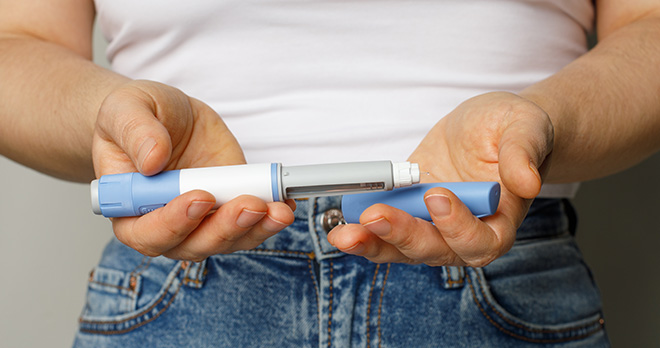
Insulin management is essential for those living with diabetes, but what happens when hospital patients need to handover responsibility for managing their condition to medical practitioners? And when does poor management become negligence?
A report from HSSIB (Health Services Safety Investigations Body) in March 2026 highlighted diabetic patients reliant on insulin are at risk of harm during inpatient hospital stays.
Concerningly, HSSIB’s report found that serious harm and, in some cases, death has been caused as a result of poor diabetes management by clinical staff. Their research concluded:
- most inpatient diabetes care is being delivered by non-specialists who can lack the appropriate skills needed for diabetes management;
- many patients who safely self-administer insulin outside of hospital are prevented from doing so when an inpatient, for various reasons including staff being concerned that if they allow patients to self-administer, they will be blamed if things go wrong;
- there is limited integration between hospital network glucose monitors and patient records, creating room for error when it comes to diabetes management.
Unfortunately the report highlights a particularly distressing and frustrating fact, that being insulin errors are one of the most common and preventable causes of serious harm to people with diabetes in hospitals.
When might poor diabetes management be considered negligent?
You may have a claim for medical negligence if you, or a loved one, experienced harm as a result of inappropriate diabetes management.
To succeed with a claim, it must be shown that the healthcare professionals provided substandard care and that the substandard care caused injury or a worse outcome.
What might be considered substandard diabetes care
Medical negligence claims related to diabetes are unfortunately numerous and wide-ranging, going beyond cases of poor insulin management.
Examples of cases we see in our work include:
- failure to diagnose or act on gestational diabetes during pregnancy;
- delayed diagnosis of diabetes;
- failure to administer insulin correctly in hospital, such as the wrong dose or at the wrong time;
- failure to restart insulin following surgery;
- preventing a patient from self-managing their diabetes as they usually would;
- removal of diabetes technology during an inpatient stay without clinical justification;
- inadequate monitoring leading to diabetic ketoacidosis or other serious harm;
- failure to recognise diabetic ketoacidosis, or to act appropriately once diagnosed;
- failure to act promptly or robustly when there are signs of infection in someone with diabetes;
- failure to recognise the impact of diabetes alongside other conditions meaning inappropriate decisions are made.
Sadly, substandard care of this type can have catastrophic consequences and can result in serious illness, sight loss, amputations and even death.


What kind of compensation might you receive for a diabetes negligence claim?
Many claimants seek legal advice in order to fully understand what went wrong in their case, particularly where they feel they have not been given a full explanation by the treating team, and in the hope of ensuring similar mistakes do not happen to others.
Compensation is also a key motivation to bring a claim, especially where injuries mean that there’s an impact on someone’s ability to function fully and it impacts their income or quality of life.
Where it is established that you received substandard care and that this caused harm, then you will be entitled to compensation. Compensation is decided on a case-by-case basis and depends on the specific circumstances of those involved.
How much compensation you are entitled to depends on several factors, including:
- the severity of your injuries and the pain and suffering experienced;
- the effect on your ability to function as before, including mobility, independence, work, study, caring responsibilities, and social and leisure activities;
- the impact on your wellbeing and mental health;
- the likelihood of further treatment, surgery or therapy being required in future;
- the likelihood and impact of any long-term complications;
- the impact of the negligence on your earnings and future career planning.
Compensation awards in diabetes negligence cases can be very large sums and can alleviate financial concerns caused by the injuries, as well as enabling an optimal recovery through funding private treatment, therapies, aids and equipment and accommodation adaptions where required.
In more complex matters, which may take longer to explore the full extent of the claim, we are often able to seek an interim compensation payment, pending settlement of the full claim. This can be a lifeline for some families, to alleviate financial pressure or to fund recommended treatments in the meantime which would otherwise be out of reach.
Proving negligence after poor diabetes management
Through working with a specialist law firm, you will receive their advice to guide you on the claim process from start to finish.
The evidence in the case is made up of various elements depending on the case circumstances. This includes the medical records but also, crucially, your own account of the events and, perhaps, accounts of others who were there with you. It is not uncommon for medical records to only show part of the picture, and in some cases there are entries in the records which are fully disputed by our clients and which we can challenge on their behalf.
A key part of the evidence used to prove the claim usually comes from medical experts. We will instruct independent medical experts on your behalf, in the area of medicine relevant to your case, to comment on the care provided and how that impacted the outcome in your case.
We are experienced at identifying exactly what evidence is required to investigate the care provided and to explore whether the legal threshold for negligence has been met.
Through investigating a potential claim, our clients receive much more information and insights into their care than they would otherwise have had.
The lessons hospitals must learn on diabetes management
Although the HSSIB report will understandably be concerning for those with diabetes, the highlighting of these issues in such stark terms will help improve diabetes management in a hospital setting and beyond.
The HSSIB report details some key learning points for NHS trusts. These are linked to different areas such as self-management of diabetes and insulin administration, diabetes specialist workforce and capacity, non-specialist diabetes care, wearable diabetes technology and oversight and governance.
Within these topics, prompts are provided for providers to consider, such as:
- do you have a policy that supports patients to safely self-manage their diabetes and support self-administration of insulin?
- are the timing and content of meals provided to patients considered in line with patients self-managing diabetes?
- is your inpatient diabetes specialist team appropriately resourced to help mitigate diabetes-related risks?
- do you have a diabetes safety board with senior management involvement?
Through detailed consideration of these prompts, NHS leaders should identify where improvements are required in diabetes management within the hospital setting, highlighting weaknesses in policies and training which might otherwise allow mistakes to occur and cause serious harm.
Craig Hadley, Senior Safety Investigator at HSSIB, rightly said:
“Patients should be able to trust that when they come into hospital, the management of their insulin will remain safe, reliable and responsive to their needs”.
Seeking advice on bringing a medical negligence claim
If you or a loved one have suffered harm following problems with insulin management or diabetes care in hospital, specialist legal advice can help you understand what went wrong and whether there may be a claim for compensation available to you.
Our experienced medical negligence team is here to help review the circumstances, explain your options, and advise whether a claim may be available. We offer confidential, noobligation initial advice and there’s no charge for speaking with us.
Typically, a three-year statutory time limit applies to bring a claim, starting from the date of the injury. Therefore, if you are interested in discussing a potential claim then you should take steps to find a specialist solicitor as soon as you can, to ensure this deadline isn’t missed. Acting promptly will also ensure the best chance of preserving any relevant evidence of the events and your injuries to help support your claim.
The earlier a specialist becomes involved the sooner you will obtain answers about what happened, and, assuming prospects allow, the sooner you will receive compensation for your injuries.
Our legal experts are here to help you understand whether you have a claim for compensation. Contact our enquiries team today.
Call now