Misdiagnosis in children’s audiology services: understanding NHS failings and making a claim

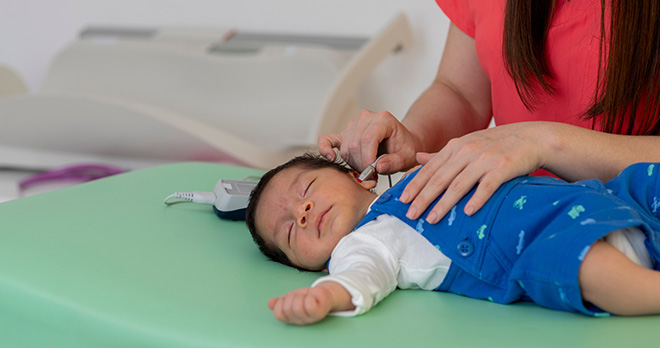
Recent national investigations have uncovered significant concerns about the accuracy and safety of children’s hearing assessments within several NHS audiology services. The most notable findings come from The Kingdon Review, which explained widespread failures in paediatric audiology. The review revealed that 1,540 children had their hearing problems missed, misdiagnosed, or identified far too late.
For many families, these revelations have been deeply distressing. Hearing tests are often the first step in understanding a child’s communication and developmental needs, and when these assessments are inaccurate, children may lose crucial opportunities for early support.
What's the impact of these failings in children's audiology services?
Hearing plays a fundamental role in how children learn, interact, and make sense of the world around them. Accurate hearing assessments ensure children can develop speech and language skills, communicate effectively with family and peers, and fully participate in education. When hearing problems are not identified early, children may struggle to understand speech, miss out on essential language development, and face challenges in school and social environments.
Why is it important to carry out children’s hearing tests early?
The early years of a child’s life are a period of rapid brain development, during which early intervention can make a substantial difference. Identifying hearing problems as early as possible allows children to benefit from timely access to hearing aids, cochlear implants, speech and language therapy, and specialist support within childcare or educational settings.
When diagnosis is delayed, children may miss key developmental milestones. This can have a lasting impact on speech, reading, and overall confidence. Early testing is therefore essential to preventing long-term difficulties that could otherwise have been avoided.
Identifying the hearing issues
Many parents first notice subtle signs in their babies long before formal testing takes place. For example, a baby who does not react to loud noises, does not turn towards a parent’s voice, or does not respond to their name may be showing early indications of hearing difficulties. Similarly, limited babbling or reduced vocalisation in infancy can sometimes be linked to issues with hearing.
Red flags to look out for
In toddlers and older children, signs of hearing problems may present themselves through delayed speech, difficulty following instructions, or a tendency to turn up the volume on televisions or devices. Some children may appear inattentive or unresponsive, which can mistakenly be interpreted as behavioural issues when in fact they are struggling to hear. If your child often seems frustrated, withdrawn, or overwhelmed in noisy environments, it may be appropriate to seek a repeat assessment.
If you previously raised concerns with professionals but these were not followed up, or if appointments and referrals were significantly delayed, this may indicate that the standard of care your child received fell below what could reasonably be expected.
What to do if you are concerned about your child’s hearing or past tests
If you are worried that your child’s hearing problems were missed or misdiagnosed, there are several practical steps you can take.
1. Ask for a review or repeat hearing assessment
You can:
- contact your GP, health visitor or paediatrician to request a review;
- ask for a repeat audiology assessment or referral to a different audiology service, especially if previous test results do not seem to match your child’s day-to-day behaviour;
- take along specific examples (for instance, “they don’t respond when called from another room”, or “they struggle to hear in class”).
If you have been contacted by the NHS about recall testing following the national investigations, it is very important to attend any appointments offered.
2. Keep a record of your concerns
It can help to:
- write down when you first noticed signs of hearing difficulty;
- keep notes of any appointments where you raised concerns and what you were told;
- retain any letters, reports or test results from audiology, ENT, paediatrics or school.
These records can be useful both for ongoing clinical care and, if appropriate, for any later legal claim.
3. Seek support for your child’s education and communication
Even while investigations or repeat tests are ongoing, you can:
- talk to your child’s nursery or school about your concerns so that adjustments can be made (for example, seating near the teacher visual supports, or use of radio aids/hearing equipment where recommended);
- ask about SEN (Special Educational Needs) support or an Education, Health and Care Plan (EHCP) if your child’s learning has been affected;
- explore support from national deaf children charities and local services, which can offer practical advice and peer support.
Making a claim for medical negligence
If your child has been affected by a missed or delayed hearing diagnosis, you may be able to pursue a medical negligence claim. A claim may be appropriate where hearing issues were overlooked, incorrectly interpreted, or not acted upon in a timely manner, and where this has led to developmental, educational or emotional harm.
Compensation can help fund essential therapies, specialist equipment, and long-term support. A solicitor will review your child’s medical records, obtain independent expert evidence, and advise whether the care provided amounted to negligence.
How RWK Goodman can help
At RWK Goodman, we understand how upsetting and overwhelming it can be to discover that your child’s hearing problems were not identified when they should have been. Our specialist clinical negligence team has extensive experience helping families navigate these situations with clarity and compassion.
We will take the time to carefully review your child’s audiology records, assess whether mistakes or delays occurred, and obtain expert input from trusted paediatric specialists. Our team will guide you through every stage of the claims process, ensuring that you understand your options and helping you secure the support your child may need now and in the future.
If you have concerns about your child’s hearing diagnosis or the care they received, please get in touch. We are here to help you find answers and move forward with confidence.
Call now