£400,000 settlement after alleged failure to give cauda equina red-flag advice

Head of Medical Negligence Simon Elliman recovered £400,000 for a man left with permanent neurological damage following an alleged failure to provide clear advice about the red-flag symptoms of cauda equina syndrome.
RWK Goodman’s Head of Medical Negligence Simon Elliman secured a £400,000 lump-sum settlement for a man left with permanent neurological damage after developing cauda equina syndrome.
Our client was in his mid-50s when the claim settled. He now lives with loss of bladder and bowel control, loss of sexual function and the knowledge that he will never be able to return to the work he did before his injury.
The claim concerned an allegation that, when he attended his GP surgery during a flare-up of sciatica, he was not given clear advice about the warning signs that should prompt him to seek immediate medical attention.
What happened
Our client developed shoulder and neck pain after playing tennis. At the same time, he was experiencing a flare-up of the episodic sciatica from which he had suffered previously.
When the pain continued for several days, he made an appointment at his GP surgery. The GP diagnosed tendonitis and advised him about pain relief and exercise.
The claim was not that cauda equina syndrome should necessarily have been diagnosed during that appointment. It was that our client should have been told about the symptoms that could indicate developing cauda equina syndrome and advised to attend hospital urgently if any of them appeared.
Later that evening, he noticed altered sensation while passing urine. Because he had recently started taking Naproxen, he assumed that it might be a side effect of the medication rather than a warning of something more serious.
During the following day, he began to find it difficult to start urinating and noticed that his urine flow had reduced. He also developed altered sensation in his buttocks.
In the early hours of the next morning, he lost sensation around his anus. Within a few hours, the numbness had spread across his buttocks and penis.
It was his wife who recognised how serious the symptoms might be. She searched online and discovered that they were warning signs of cauda equina syndrome. Our client telephoned NHS 111 and was told to attend hospital immediately.
He arrived at the Emergency Department later that morning. While waiting to see a doctor, he lost control of his bladder twice.
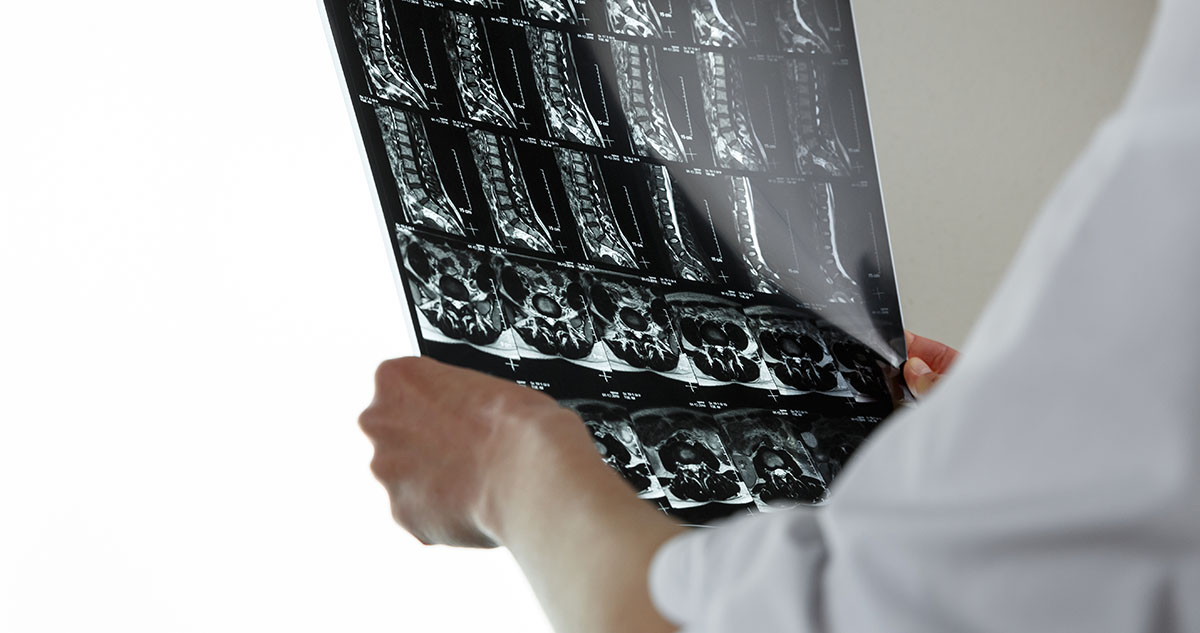
A doctor examined him around midday, suspected cauda equina syndrome and arranged an MRI scan. The scan revealed that a large central disc extrusion at L5/S1 was compressing the nerves in his spinal canal.
He was transferred to a specialist spinal unit later that afternoon and underwent a discectomy that evening. Further imaging showed that disc material remained in the spinal canal, and a second operation was carried out the following day. He required a third operation a couple of days later after another scan showed continuing disc extrusion.
The lasting impact
Despite three operations, the damage to our client’s nerves could not be reversed. Many of the consequences are intensely personal and affect almost every part of his daily life.
He must insert a catheter three or four times each day to empty his bladder. He continues to experience urinary incontinence and remains at risk of recurrent urinary tract infections.
He has no control over his bowel function, including flatus, and must evacuate his bowel manually. He has also lost sexual function.
Living with such intimate disabilities has taken a considerable emotional toll. Our client suffered a recognised psychiatric injury while adjusting to what had happened, although those symptoms have now largely resolved.
He has been unable to return to the job he did before his injury. He already requires some assistance with daily life and is expected to need increasing support as he grows older.
Discover more about rehabilitation after cauda equina syndrome.
The claim and settlement
The claim was brought on the basis that the GP should have given our client clear red-flag safety-netting advice.
His case was that, had he received that advice, he would have recognised the significance of the altered urinary sensation that developed later that day and sought emergency medical treatment at that point. It was also alleged that earlier diagnosis and surgery would probably have prevented, or substantially reduced, his permanent neurological injuries.
A lump sum settlement of £400,000
No amount of compensation can restore the independence, employment and intimate aspects of life that our client has lost. The settlement does, however, recognise the profound consequences of his injury and will help provide financial security and meet his continuing needs.
Could cauda equina syndrome have been diagnosed sooner?
Cauda equina syndrome requires urgent investigation and treatment. If you believe its warning signs were missed, or that you were not advised to seek immediate help when new symptoms developed, our specialist medical negligence team can help you understand whether you may have a claim.
If you have suffered life changing injuries as a result of substandard care for cauda equina syndrome, our specialist lawyers are here to help. Contact our enquiries team to find out more about your options.
Call now
Discover our spinal injuries expertise.



More insights from our cauda equina syndrome experts.





View more articles related to Cauda equina claims