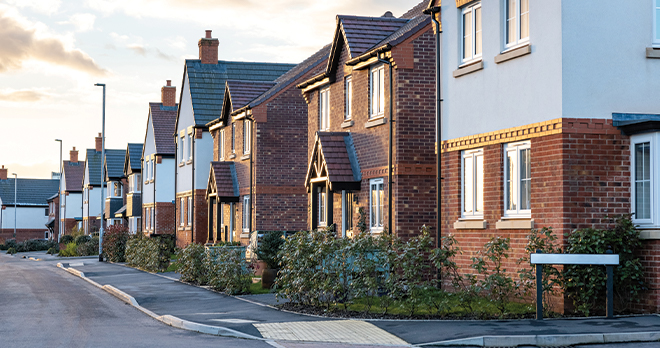
Does your Property Purchase involve a Listed Building?

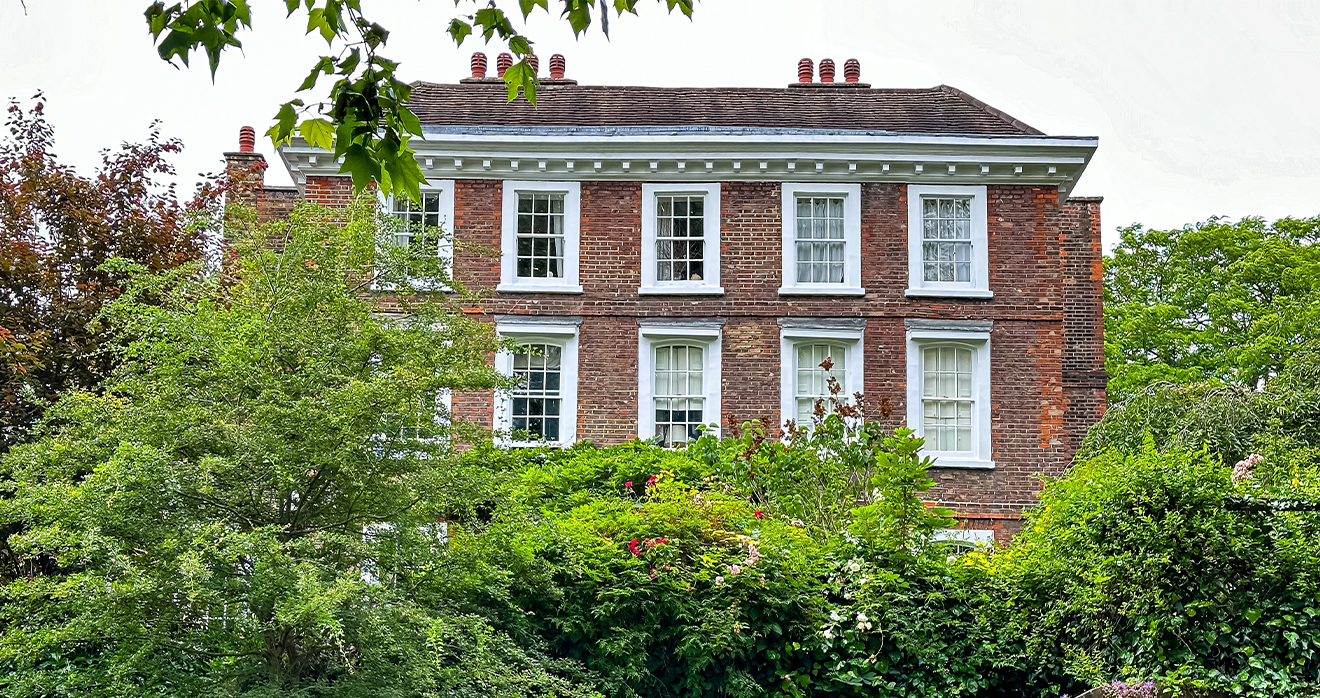
These historical buildings don’t just come with charm and character, they also come with legal protections, planning constraints and the watchful eye of Historic England.
But what is a listed building?
Historic England’s definition of listed buildings is as follows:
| A listed building is described as buildings of special architectural or historical interest with legal protection. |
These buildings are often rare and of cultural and historical significance. An example of a listed building would be the well-known Hampton Court Palace in Molesey or the lesser known Forty hall in Enfield.
When a building is listed both its exterior and interior are protected – it’s grounds, outbuildings and boundary walls are often protected also.
How do we know if it is a listed building?
Historic England’s website has an online database that lists the listed buildings. There is both a search feature and a mapping feature. The database will confirm which grade the listed building is and the date the building was first listed.
Your local authority search will also likely flag if a building is listed or not. If the search result is unclear, the council’s planning department can provide further information and copies of the planning permission and listed building consent.
What are the categories of listed buildings?
Listed buildings are categorised into one of three grades:
Grade I – Buildings of exceptional interest
Grade II* – Particularly important buildings of more than special interest
Grade II – Buildings of special interest warranting preservation
Grade I listed buildings make up 2.5% of listed buildings, whilst Grade II listed buildings account for 91.7% of listed buildings.
What you need to know
It is a criminal offence to carry out internal or external works to a listed building without listed building consent. Even if the proprietor is unaware that it is a listed building, it remains a criminal offence to carry out works without consent.
If works were carried out by the previous owner, you will remain liable for any breaches. Meaning you will bear the cost of any remediation works and/or fines.
If works are carried out, the council have authority to issue an enforcement notice requiring works of rectification. The council may also issue an urgent works notice or a repairs notice.
Grade I listed buildings are subject to stricter regulations. Minor repairs also require listed buildings consent, as to maintain the integrity of the building. Not only do alterations and repairs require planning permission and listed building consent, but also the materials used.
When will I need Listed Buildings Consent?
The consent is required for works to take place within the ground of the listed building; this includes the building, grounds, enclosures, fuel containers and pools. Consent may also be required for any change of use or removal of features such as foliage from the grounds; meaning they receive the same level of protection as the principle listed building.
Consent is required for construction, alterations, extensions, improvements and repairs. No matter how small the alterations may be, it will require listed buildings consent, this includes small changes such as changing the colour of the house or front door.
The higher the grade of the listed building the harder it may be to obtain listed building consent to carry out works to the building.
Even if planning permission is not required, you will be required to obtain listed building consent and may also require building regulation consent.
It is recommended that the council and English Heritage are contacted before carrying out any works, including repairs. If they confirm consent is not required, it is best to have this confirmed in writing as to avoid any future penalties for breach of listed building regulations.
What is the difference between a Grade I and Grade II listed building?
In addition to all of the above, the regulations surrounding Grade I listed buildings are stricter. Grade I listed buildings make up approximately 2.5% of all listed buildings.
Obtaining consent can be a lengthy and costly process and not always guaranteed as works can be rejected. You may also need to source specific materials and specialist tradespeople to carry out the works which can also be costly.
Please be aware that not all lenders are prepared to lend on Grade I listed buildings. This can restrict the number of options and financial planning available to you.
The insurance premiums may also be higher for listed buildings; there are specialist insurance companies particularly cater for insurance for listed buildings.