
Erb's palsy compensation claim solicitors.
If your child has Erb's palsy you may be wondering why this happened, whether it could have been prevented, and what treatment your child will need and what life might look like for your family in the months and years ahead. If so, you're in the right place.
Call for a free consultation on whether you have a claim
Experts in Erb's palsy claims
If you or your child are living with Erb’s palsy as a result of a birth injury, you’re in the right place.
Our specialist Erb’s palsy medical negligence solicitors help families across England and Wales investigate whether negligent maternity care caused their child’s injury and, where appropriate, pursue a birth injury compensation claim.
We always take the time to listen to your experience, explain your options clearly and, where appropriate, investigate whether different medical care could have prevented your child’s injury.
Working alongside leading independent medical experts, rehabilitation professionals and other specialists, we build a clear understanding of your child’s needs so that, where a claim is possible, we can help secure not only compensation, but access to the treatment, therapies, equipment and support that may make a meaningful difference throughout their life.
Speak to our Erb's palsy negligence solicitors.
- Free, confidential initial conversation
- No obligation to proceed with a claim
- No win, no fee funding options available
- Supporting families across England and Wales
- Recognised by Legal 500 and Chambers for our expertise in complex birth injury claims
Call our enquiries team
contact us
Request a call back.
In this video, specialist Erb’s palsy solicitor Paul Rumley explains what you need to know about making a claim.
Why families choose RWK Goodman.
Families often contact us because they:
- want answers about what happened during labour and delivery;
- need to understand whether their child's brachial plexus injury could have been prevented;
- want access to specialist treatment, therapy and rehabilitation;
- need financial security to support their child's future needs;
- are looking for clear advice from specialists who understand both the legal and emotional impact of birth injuries.
Hear from a client how our team helped make a real difference.

Our medical negligence lawyers also subscribe as a member of the charity Action Against Medical Accidents (AvMA)
Everything you might need to know about an Erb’s palsy claim.
Whether you’re looking for answers about what happened during your child’s birth, wondering whether Erb’s palsy could have been prevented, or exploring whether compensation could help support your child’s future, this guide explains the key issues in straightforward language.
You can find information about:
- What is Erb’s palsy
- Could my child’s Erb’s palsy have been prevented?
- Further information, advice and support for families affected by Erb’s palsy
- Making an Erb’s palsy compensation claim
- The support, rehabilitation, and compensation that an Erb’s palsy claim can provide for my child and family
- Erb’s palsy compensation claims case studies
- Interim payments before the claim is settled
- Erb’s palsy and mild brain injury
- Meet our specialist Erb’s palsy lawyers
- How Erb’s palsy claims are funded, including No Win No Fee
- How long Erb’s palsy claims take
- Time limits for making an Erb’s palsy claim
- Frequently asked questions about Erb’s palsy claims
What is Erb's palsy?
Erb’s palsy is a type of birth-related brachial plexus injury, affecting the group of nerves that control movement and sensation in the shoulder, arm and hand.
It affects about 0.42 to 0.49 per 1,000 live births in the UK (roughly 1 in 2,300 babies) and usually occurs during a difficult delivery involving shoulder dystocia, where the baby’s shoulder becomes trapped behind the mother’s pelvic bone after the head has been delivered.
Around 70–80% of babies with Erb’s palsy recover completely or almost completely with time and appropriate treatment. However, some children are left with permanent weakness, restricted movement and difficulties with everyday activities.
Types of Erb's palsy.
Erb’s palsy is commonly classified into four groups using the Narakas classification system for Neonatal Brachial Plexus Palsy (NBPP), with classification based on the extent of the nerve injury.
| Narakas group | Nerve roots affected | Main functional difficulties/presentation | Prognosis |
| Group 1 | C5-C6 | Restricted shoulder abduction and external rotation; restricted elbow flexion; restricted forearm supination. The arm may hang by the side, remain straight and rotated inward, with the palm facing backwards due to pronation. | About 90% regain normal function. |
| Group 2 | C5-C7 | All Group 1 difficulties, plus difficulty extending the wrist. | About 75% regain normal function. |
| Group 3 | C5-C8 | Complete paralysis of the affected arm. | Fewer than 50% recover satisfactory function. |
| Group 4 | C5-T1 | Extensive arm paralysis with Horner’s syndrome, which may cause a constricted pupil and drooping eyelid. | Nerve-repair surgery is required, but few children achieve full functional recovery. |
You may be wondering…
Not every case of Erb’s palsy is caused by medical negligence. However, some injuries occur because warning signs were missed, risks were not discussed, or shoulder dystocia was not managed appropriately during labour.
Our specialist team can investigate the circumstances of your child’s birth and help explain whether your child suffered an avoidable injury because of a negligent delivery or other failures in medical care.
Every child’s recovery is different. Some babies experience a significant improvement with early treatment and physiotherapy. Others may have lasting weakness, reduced movement or difficulties using the affected arm and require lifelong support.
If a claim is successful, compensation can help provide access to physiotherapy, occupational therapy, specialist equipment, surgery, care and other support your child may require.
In some circumstances, it may also be possible to obtain interim payments before a claim concludes to fund urgent rehabilitation and support.
An interim payment is a payment made up front, on account of the final compensation figure.
You do not need to know whether mistakes were made before contacting us.
We will listen to your experience, obtain expert evidence where appropriate and explain whether there are grounds to pursue a claim.
Could my child’s Erb's palsy have been prevented?
Many parents tell us they replay the events of labour repeatedly, wondering whether something different could have been done to prevent their child’s injury. The answer depends on the individual circumstances of the pregnancy, labour and delivery.
Shoulder dystocia is a recognised obstetric emergency and can sometimes occur even where the care provided was appropriate. A diagnosis of Erb’s palsy does not automatically mean that medical negligence occurred.
However, there are situations when maternity negligence, including failures in assessment, communication or emergency management during labour, may have contributed to the injury. Examples include:
- failing to identify and discuss risk factors for shoulder dystocia;
- failing to discuss alternative delivery options, including a planned caesarean section where appropriate;
- failing to recognise shoulder dystocia promptly during labour, or negligently managing shoulder dystocia once it had occurred;
- failing to carry out recognised emergency manoeuvres correctly;
- applying excessive traction or force when delivering the baby.
As specialist Erb’s palsy solicitors, our role is to review your pregnancy and birth records with independent medical experts to establish whether the care you received met the appropriate standard and whether different management could have prevented your child’s injury.
Should I have been offered a caesarean section?
One of the most important questions in many Erb’s palsy cases is whether a mother should have been given advice about the risks of vaginal delivery and the option of a planned caesarean section.
Shoulder dystocia cannot always be predicted. However, some pregnancies involve recognised risk factors that increase the likelihood of it occurring, including:
- a larger than expected baby
- gestational diabetes;
- previous birth involving shoulder dystocia;
- the individual circumstances identified during pregnancy.
Where relevant risks exist, healthcare professionals should discuss these risks and explain the available options, enabling a mother to make an informed decision about her care.
The importance of informed consent.
The law requires healthcare professionals to explain material risks and reasonable alternative treatment options so that mothers can make informed decisions about their care.
This principle was reinforced by the landmark Montgomery judgment and remains highly relevant when investigating whether parents were given sufficient information about the risks of vaginal delivery and the option of a caesarean section.
To learn more about a mother’s right to make informed decisions concerning her maternity care, read our article:
Previous shoulder dystocia and future pregnancies.
The courts have also recognised the importance of discussing delivery options following a previous shoulder dystocia. In appropriate cases, mothers should be given sufficient information about the risks and alternatives, including whether an elective caesarean section may be right for them.
These cases highlight the importance of individualised advice and ensuring parents have the information they need to make informed decisions about their care.
Further information, advice and support for families affected by Erb's palsy.
Finding reliable information and connecting with other families affected by Erb’s palsy can be an important part of your journey.
You may find our resources helpful:
- Our comprehensive Erb’s palsy guide – covering causes, treatment, recovery and living with the condition.
- Follow Everything Erb’s on Instagram – a supportive online community sharing information, stories, awareness campaigns and insights for families affected by Erb’s palsy: @everythingerbs
- Erb’s Palsy Group – provides comprehensive support for families, raises awareness, and advocates for early intervention and effective treatments.
Making an Erb’s palsy compensation claim.
If your child has been diagnosed with Erb’s palsy, you may be unsure whether the injury was an unavoidable complication or whether different medical care could have prevented it. Speak to us about whether you may have grounds to pursue an Erb’s palsy compensation claim or another birth trauma claim, depending on the circumstances.
Our specialist Erb’s palsy compensation claim solicitors investigate complex obstetric negligence claims with the assistance of independent experts in obstetrics, midwifery, orthopaedics and paediatrics.
To bring a successful Erb’s palsy compensation claim, we generally need to establish two key issues.
Did the medical care fall below an acceptable standard because of medical negligence?
This is known legally as breach of duty.
In straightforward terms, we must establish that the care provided fell below the standard reasonably expected of healthcare professionals working in that field.
You can find examples of potential failings above.
Did the failure in care cause the injury?
This is known as causation.
It is not enough to show that a mistake was made. We must also establish that the failing caused or materially contributed to your child’s Erb’s palsy. This requires careful analysis of the medical evidence and expert medical opinion.
We will explain our conclusions clearly and honestly, helping you understand whether there are reasonable grounds to pursue a claim.
If you would like to understand more about how clinical negligence claims are investigated, including the legal concepts of breach of duty and causation, read our article:
The support, rehabilitation, and compensation that an Erb's palsy claim can provide for my child and family.
The purpose of Erb’s palsy or brachial plexus injury compensation is to ensure your child has access to the care, treatment, equipment and support they may need both now and in the future.
The value of a claim depends on the severity of the injury, the extent of recovery and the impact the injury has on your child’s life.
Compensation is generally divided into two categories.
General damages.
General damages compensate your child for the pain, suffering and impact the injury has had, and may continue to have, on their quality of life.
The amount awarded will depend on a number of factors, including:
- the severity of the brachial plexus injury and whether your child has any associated brain injury or psychological difficulties;
- the extent of their recovery;
- any ongoing weakness, restricted movement or disability;
- the impact of the injury on their education, hobbies, future employment and ability to live independently.
To assess the extent of your child’s injuries and their likely long-term outlook, we instruct independent medical experts from relevant specialties. Their evidence is then considered alongside guidance used by the judiciary when valuing injuries, known as the Judicial College Guidelines (JCG).
In more serious cases involving permanent disability, associated brain injury, or psychological consequences, general damages can be substantial and will depend on the individual circumstances of the child and the impact the injury has had on their life. In most Erb’s palsy cases we deal with, particularly those also involving a mild brain injury (see below), they exceed £100,000.
Special damages.
These compensate for the financial consequences of the injury and typically include the cost of:
- physiotherapy, occupational therapy and hydrotherapy;
- specialist medical treatment or surgery;
- aids, adaptations, assistive technology, and other specialist equipment;
- care and support;
- educational support where required;
- oss of earnings and other future financial losses.
Every child’s circumstances are different, and any compensation awarded should reflect their individual needs and long-term future.
Where a child has significant lifelong needs, compensation can be substantial and may include the costs of future treatment, therapy, care, specialist equipment, accommodation and financial losses. These are serious and often million-pound cases.
Erb's palsy negligence claim case studies.
You may find our Erb’s palsy compensation claim case studies of interest:
- £3.5 million birth injury claim settlement secured for young client with Erb’s palsy and mild brain injury – the family perspective
- £1.1 million secured for long-running Erb’s palsy injury claim
- Settlement secured for 14-year-old living with Erb’s palsy after injuries sustained at birth
- Almost £1 million settlement secured for claimant that suffered Erb’s palsy injury
Interim payments before the claim is settled.
Yes, in some circumstances, where liability has been admitted, or where the circumstances otherwise justify it, it may be possible to obtain an interim payment before the claim concludes.
We always push for interim payments to provide early access to fund:
- physiotherapy and rehabilitation;
- private medical treatment;
- specialist equipment;
- practical support and other expenses arising from the injury.
Early access to therapy and rehabilitation can be particularly important for a child’s development, which is why obtaining funding at the earliest appropriate stage can make a meaningful difference.
Erb's palsy and mild brain injury.
An Erb’s palsy or brachial plexus birth injury may not always be the only consequence of a difficult delivery.
In some cases, the circumstances that lead to a brachial plexus injury — such as shoulder dystocia — may also be associated with a temporary reduction in oxygen supply to the baby, which can result in a brain injury.
Some brain injuries may be subtle and are not always immediately identified following birth. Difficulties may only become apparent later in childhood, particularly when a child is faced with increasing educational, social and organisational demands.
This is why it is crucial that any legal investigation considers your child’s overall development and whether further medical assessment or expert evidence is required. A child’s claim should fully reflect all injuries sustained, their future needs and the support they will require throughout their life.
Signs that may indicate a mild brain injury.
Every child develops differently, and the presence of these signs does not necessarily mean a child has suffered a brain injury. However, some families notice difficulties such as:
- taking longer to process information or complete everyday tasks;
- problems retaining or recalling information;
- delays in reaching developmental or educational milestones, including difficulties learning new skills such as reading;
- increased tiredness or fatigue compared with their peers;
- difficulties with attention, planning, organisation or independent tasks.
If you have concerns about your child’s development, it is important to discuss them with an appropriate healthcare professional.
You can read more about this topic in our article:
Meet our specialist Erb's palsy lawyers.

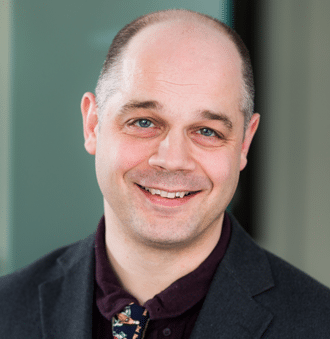
Paul Rumley leads our specialist Erb’s palsy compensation claims team. Paul is a past Chairman of the Society of Clinical Injury Lawyers (SCIL), and the Legal 500 describe him as:
“Quite simply the best clinical negligence practitioner in the business. He is intellectually formidable, and his determination to get to the right result is irresistible. Not surprisingly, his clients love him.”
Paul is well known nationally for his empathy for his clients, his expertise in Erb’s palsy, and his extensive contribution to legal aid reforms. Working with both houses of Parliament, he received national recognition for his efforts and success in retaining legal aid for severely disabled children injured at birth.
Chambers and Partners says:
“Paul Rumley is the doyen of clinical negligence litigation. Quite simply he is superb… unstinting in his devotion to his clients, and swifter on foot than his opponents. Time and again, he achieves stunningly good results.”
“I would like to thank Paul Rumley for his excellent representation of my case. He was extremely sympathetic and compassionate and kept me well informed on all aspects. I felt very much at ease talking to him, directly or on the phone. I would highly recommend him on medical issues and would certainly come to RWK Goodman again for any future legal services.”
“Through what was a long and sometimes difficult process, Paul Rumley has been consistent and methodical, approaching each issue with his customary attention to detail, explaining both legal and medical issues with clarity. He guaranteed that we were always completely prepared at each stage and, particularly, that we had addressed and dealt with any risks before negotiations, thereby disarming the defence.”

A team around your child and your family.
When a child has Erb’s palsy, legal advice is only one part of the support a family may need.
Our role extends beyond investigating a claim. We work with leading independent medical experts and rehabilitation professionals to understand your child’s needs and, where appropriate, help secure access to treatment, therapy and practical support – a genuine team around your child and your family.
We are also committed to supporting the wider Erb’s palsy community. Through our dedicated Everything Erb’s Instagram page, we share information, raise awareness and provide ongoing support for families affected by Erb’s palsy.
Depending on the circumstances of your case, this may involve working alongside:
- obstetric, midwifery and paediatric experts;
- orthopaedic specialists;
- physiotherapists and occupational therapists;
- rehabilitation experts;
- care and support specialists;
- education, accommodation and equipment experts.
Our aim is always to put your child’s current and future needs at the centre of the claim.
Could we help your family?
You may wish to speak to us if:
- your baby was diagnosed with Erb’s palsy following a difficult birth;
- shoulder dystocia occurred during labour;
- you had gestational diabetes or were told your baby was larger than expected;
- you were not offered information about a caesarean section despite known risks;
- you are concerned medical negligence during pregnancy, labour or delivery may have occurred;
- you simply want answers about what happened.
Even if you are unsure whether negligence occurred, we can help you understand your options.
What happens when you contact our Erb's palsy team?
Getting in touch with an Erb’s palsy solicitor can feel like a significant step. But you do not need to know whether mistakes were made before contacting us.
Our first conversation is an opportunity for you to tell us what happened, ask questions and understand your options.
Step 1: We listen to your story.
We will discuss your pregnancy, labour, your child’s birth and their diagnosis in complete confidence.
We will explain how the legal process works and answer any immediate questions you may have.
Step 2: We investigate what happened.
If we believe there may be grounds for a claim, we can obtain your medical records and seek advice from independent medical experts to assess the care you received.
Step 3: We support you throughout the process.
If a claim proceeds, we will guide you through each stage, keep you informed throughout, and work to secure the support your child needs.
You will always have a dedicated specialist team available to answer your questions.
How Erb’s palsy claims are funded, including No Win, No Fee.
Understandably, many parents are concerned about the potential cost of seeking legal advice at a time when they are already focused on their child’s needs.
Many Erb’s palsy medical negligence claims are funded through a Conditional Fee Agreement (CFA), commonly known as a no win, no fee agreement.
This means that, if your claim is unsuccessful, you will not have to pay our legal fees.
If your claim succeeds, the vast majority of legal costs are usually paid by the defendant. A success fee and part of the premium for any insurance arranged to protect your claim may be deducted from your compensation.
We will explain the funding options available to you clearly from the outset so that you understand exactly how costs work before you make any decisions.
How long Erb's palsy claims claim take.
Every Erb’s palsy compensation claim is different and there is no fixed timescale. The length of a claim will depend on factors including:
- the complexity of the medical evidence;
- whether liability is admitted;
- the extent of your child’s injuries and future needs;
- whether the amount of compensation can be agreed.
On average, we find it takes around one to two years to establish whether responsibility for the injury is admitted.
Understandably, it also takes time before the medical experts can confidently assess the extent of your child’s long-term needs and limitations. Only once they are able to do so can we finalise the evidence needed to accurately value your child’s claim, ensuring that the compensation awarded properly reflects their lifelong care and support needs.
Throughout the process, we will keep you continually updated and explain each stage clearly.
Time limits for making an Erb's palsy claim.
There are strict time limits for bringing a medical negligence claim.
For children who have suffered Erb’s palsy at birth, the three-year limitation period begins on their 18th birthday, unless they lack mental capacity. This means that a claim can generally be brought on their behalf at any time before they turn 21.
Although there may be time to investigate a claim, it is advisable to seek legal advice as early as possible. Early investigations can make it easier to obtain records, gather other evidence and identify any support your child may need.
Frequently asked questions about Erb's palsy claims.
Not always. Some babies recover fully or almost fully, particularly where treatment and physiotherapy begin early, although some children experience permanent weakness, reduced movement, muscle imbalance or reduced function in the affected arm.
However, temporary Erb’s palsy injuries recover very quickly, and therefore, if your child gets to more than six months old and is still having issues, then you probably do need to investigate further, including to get the correct treatment for them as soon as possible.
The long-term outcome depends on the severity of the nerve injury.
No. Shoulder dystocia and brachial plexus injuries can occur even when medical care has been appropriate.
A successful claim requires evidence that the care provided fell below an acceptable standard and that those failings caused or contributed to the injury.
Symptoms can vary depending on the severity of the injury but may include:
- weakness or paralysis in one arm;
- reduced movement in the shoulder, elbow, wrist or hand;
- an arm that hangs limply or is held in an unusual position;
- reduced grip strength;
- differences in arm growth or muscle development as a child grows.
In some circumstances, yes. Although the usual limitation period expires when a person reaches the age of 21, there are exceptions in certain cases, such as where a person lacks the mental capacity to manage their own affairs.
Specialist legal advice should be sought at an early stage to understand the individual circumstances.
Evidence may include:
- pregnancy and maternity records;
- labour and delivery records;
- neonatal and paediatric records;
- expert medical opinions;
- evidence about the impact of the injury on your child’s life and future needs.
Our team will guide you through obtaining and reviewing the evidence required to investigate your claim.
A difficult delivery involving shoulder dystocia may sometimes be associated with other injuries, including brain injuries caused by a lack of oxygen.
Some difficulties may not become clear until a child reaches certain developmental milestones. It is therefore important that all potential injuries and future needs are fully investigated before any claim is settled.
Many mothers focus entirely on their child’s recovery and may overlook their own injuries following a traumatic birth. However, some mothers experience significant physical injuries or psychological trauma, including post-traumatic stress disorder (PTSD).
If you suffered injury because of negligent care, you may also have a separate claim for compensation.
RWK Goodman shares information and resources through its maternal injury Instagram community, What About Mums?
You do not need to decide today whether you want to make a claim.
Many parents contact us simply because they want answers about what happened during their child’s birth and reassurance that they are exploring every option available to support their child.
If you would like clear advice from specialists who understand both Erb’s palsy medical negligence claims and the challenges families affected by Erb’s palsy can face, we are here to help.
Your conversation with our specialist team will be a free, confidential, and no-obligation chat about your legal options. Call to speak to our Erb’s palsy team today.
Call now
Other services from our birth injury experts.


More insights from our Erb's palsy experts.



View more articles related to Erb's palsy