Selling Bare Land: Five key legal considerations for farmers and rural landowners

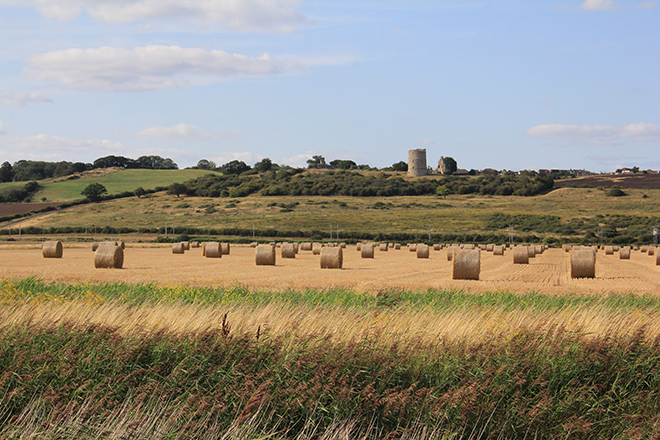
Selling bare or strategic land may seem straightforward, but it often involves complex legal and commercial factors—this blog outlines five key considerations to help landowners protect value, avoid delays, and maximise future opportunities.
For farmers and rural landowners, selling bare land—particularly land with long-term development potential—can be a significant strategic decision. While undeveloped land may seem simpler to sell than farms or buildings, these transactions often involve complex legal and commercial considerations.
Early preparation is essential to protect value, maintain control, and ensure the sale supports wider estate or farming objectives. Below are five key legal issues landowners should consider before marketing bare or strategic land.
1. Unregistered and Registered Land
If land is unregistered, the original deeds should be located and reviewed by your lawyer. Whilst land does not have to be registered prior to sale, missing or incomplete deeds often delay a transaction. It may also be an opportunity to register the wider farm, particularly if future sales or financing are anticipated.
2. Boundaries and Access
Boundary and access issues arise frequently in rural land sales. Buyers will want certainty over exactly what is being sold and that unencumbered access can be gained for the intended use of the land. It may also be necessary to reserve access to retained land.
Landowners should:
- Review title plans against the physical features on the ground.
- Check responsibility for boundary features and access tracks.
- Identify any informal boundary or access arrangements with neighbours.
- When granting or reserving rights to retained land, consideration as to the terms of new access rights.
Where boundaries or access rights are unclear, it may be advisable to resolve matters in advance through agreement or formal evidence. Uncertainty can lead to price reductions or delayed transactions. It is advisable to seek legal advice before contacting third parties.
3. Services and Access to Infrastructure
Bare land is often sold without direct connections to services, but buyers may want clarity on future potential.
Key considerations include:
- Proximity of service apparatus, particularly water.
- Rights to bring services across neighbouring farmland or third-party land.
- Billing arrangements.
Even where services are not currently required, identifying existing apparatus and opportunities can strengthen negotiations and reduce buyer concern.
4. Overage and Sharing in Future Value
For land with development potential, overage (or clawback) is commonly used to allow landowners to share in future uplift.
Effective overage provisions should clearly address:
- The trigger event (e.g. planning permission, development or plot sales).
- How uplift is calculated and what costs are deductible.
- The duration of the overage period.
- When the payment will become due (e.g. on sale or the grant of planning permission).
- Whether certain development will be permitted.
- Whether the buyer will be permitted to make certain disposals without triggering the re-sale restrictions.
- How the obligation is secured on title.
Overage provisions must be carefully drafted to balance fairness with enforceability. Ambiguity can lead to disputes years after completion. Detailed heads of terms are particularly important where overage is agreed. It is crucial to obtain professional advice from your land agent, surveyor and lawyer.
5. Restrictive Covenants and Protection of Retained Land
Restrictive covenants are often used to protect retained farmland, farm operations, or neighbouring land.
Landowners should:
- Review existing covenants affecting the land being sold.
- Consider new covenants to prevent nuisance, inappropriate use or competing business operations or development.
- Ensure covenants are clear, proportionate and enforceable.
Poorly drafted covenants can restrict future flexibility or deter potential buyers.
Final Thoughts
Selling bare land requires careful consideration. For farmers and rural landowners, early advice from your land agent and lawyer can help preserve long-term value, protect retained land, and avoid protracted transactions.
Taking time to prepare before marketing land can make a significant difference to both the smoothness of the transaction and the ultimate return achieved.

To discuss your plans please contact Rebecca Gillard at [email protected]
Our related services & support

Legal insight from our conveyancing experts






View more articles related to Property Conveyancing