The Swindon Railway Works 40 years on: A tale of two sides

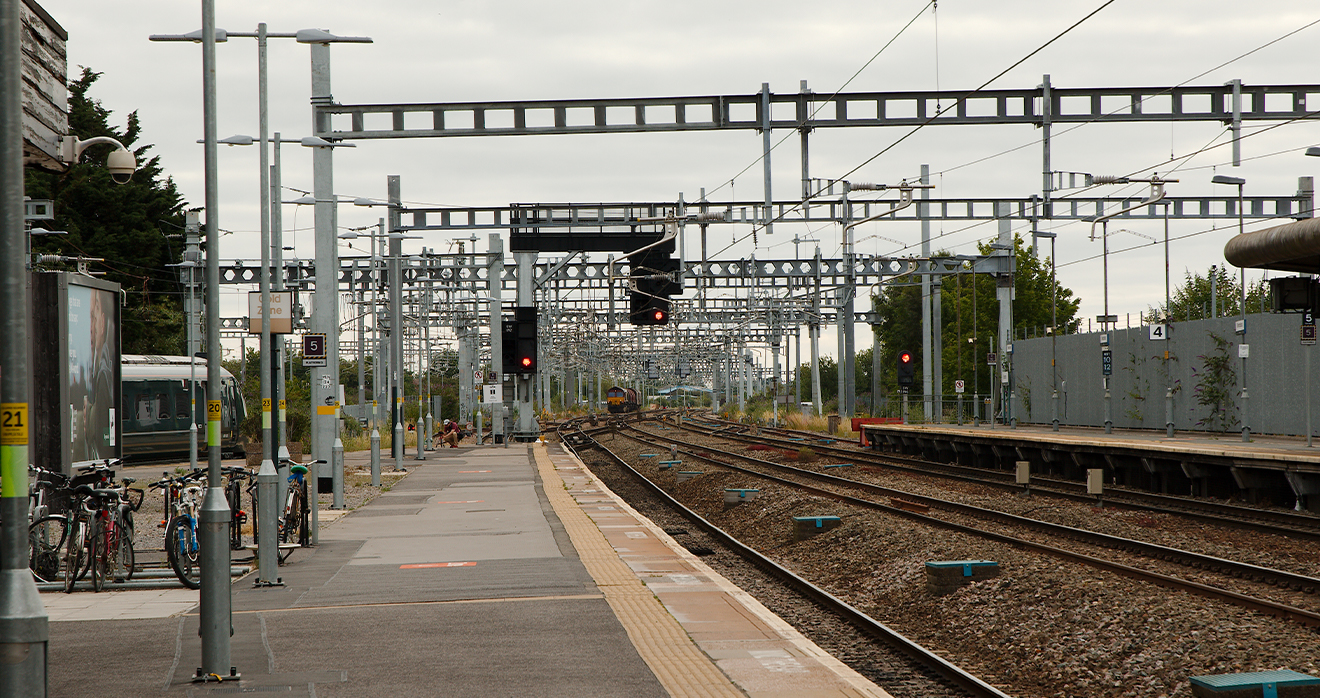
Thursday 26 March 2026 marks 40 years since the closure of the Railway Works in Swindon. The hooter which sounded at the start and end of each day will sound once more at 4.30pm as it did on the final day in 1986 which marked the end of more than 140 years of railway operations in the town.
The Works transformed Swindon from a small market town with a population of only 2,500 people into the fastest growing town in Europe. Most people from Swindon have a link to the Railway Works either having spent time there themselves or having family or friends who worked there. However, the vast use of asbestos at the Works has also left a legacy of illness, and a community disproportionately impacted by mesothelioma, an incurable cancer.
A new railway town
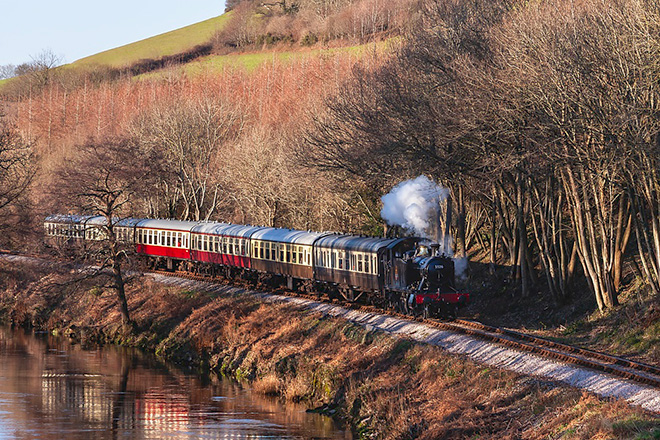
In 1835 parliament approved the construction of the Great Western mainline between London and Bristol by the Great Western Railway (GWR). Isambard Kingdom Brunel was appointed as Chief Engineer. In 1837, Daniel Gooch was appointed to take on oversight of the repair of locomotive stock, and to do this GWR needed a central repair works. In 1840 Gooch identified a site close to Swindon and in 1841 set about the huge task of establishing the Railway Works which were built by JD and C Rigby, and the now infamous workshops designed by Isambard Kingdom Brunel. The works became operational on 2 January 1843, the start of almost a century and a half of the building, repair and maintenance of steam locomotives and diesel trains in the town.
A railway village was subsequently developed, providing homes for workers, and medical and educational facilities for them and their families. In addition to locomotive building, the production of goods wagons also began and by 1867 the Works became the central workshop for the construction of carriages and wagons. The expansion progressed rapidly. Joseph Armstong took on the task of improving passenger stock and by 1878 it was necessary to build separate wagon works on land north of the station.
Heyday at the Works
However, the heyday at the works came decades later. In the first half of the 20th century the boiler making abilities improved as did the facilities for working heavy steel metal. In 1927 the King Class was introduced and became the flagship of the GWR fleet. An estimated 14,000 people were employed at the Works and ‘A Shop’ the main locomotive and fabrication workshop was vast spanning 11.25 acres, one of the largest covered workshops in the world!
1948 saw the nationalisation of the industry and job losses but even then, the Works are reported to have still been producing around 60 locomotives a year and a huge number of steam engines. In 1960 the decision was made to move from steam power to diesel which brought with it change but also new opportunities with experimental diesel-powered locos being designed and produced. The Works later became the southern regional hub for the storage and scrapping of steam locos and rolling stock and a repair facility.
Deadly dust
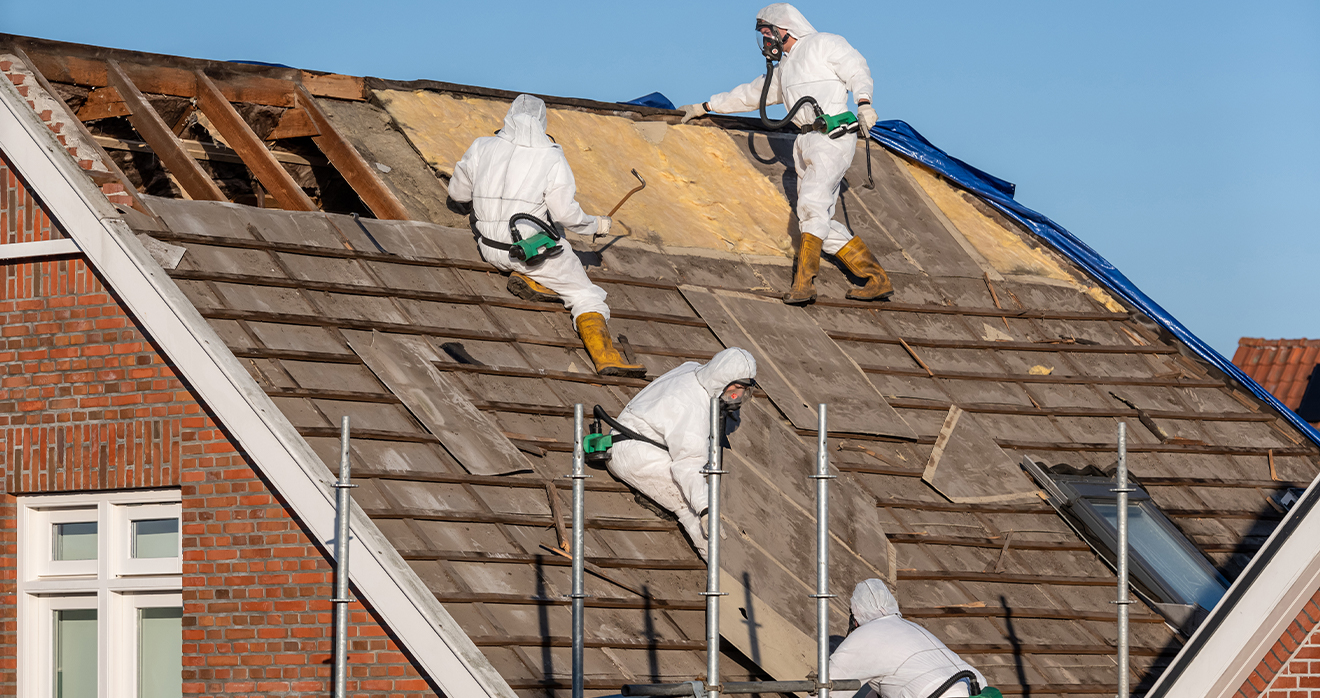
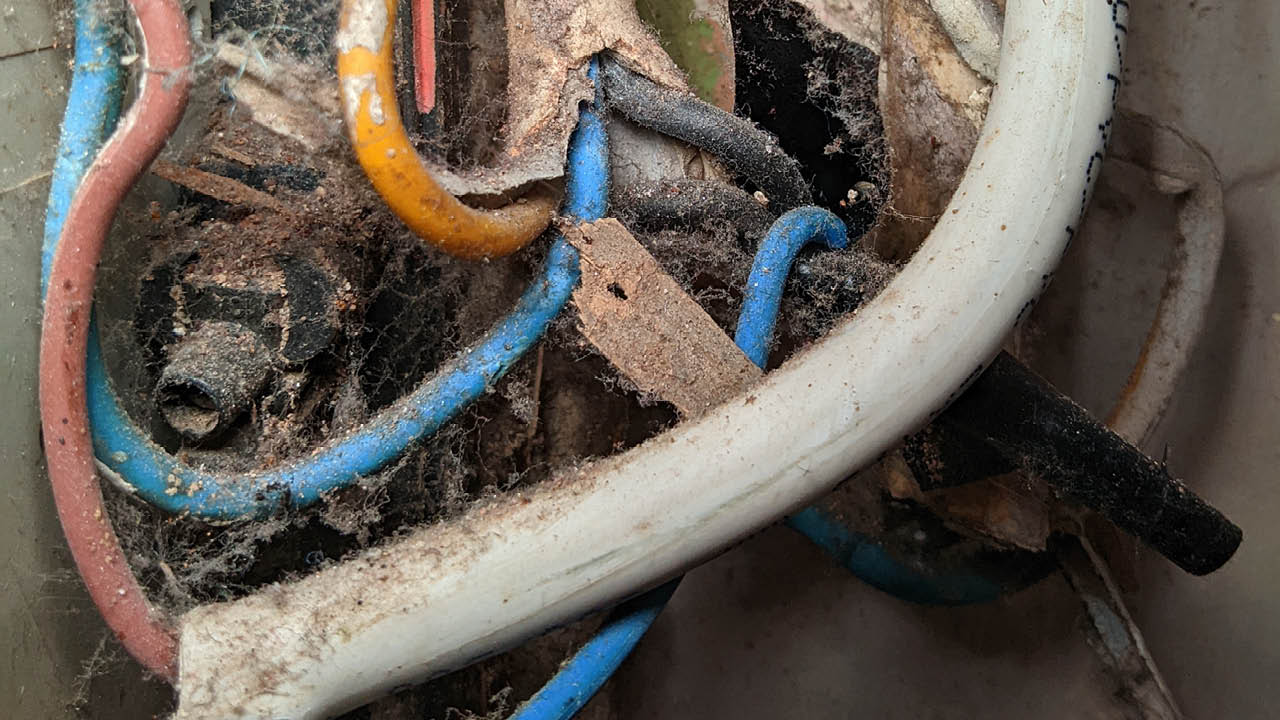
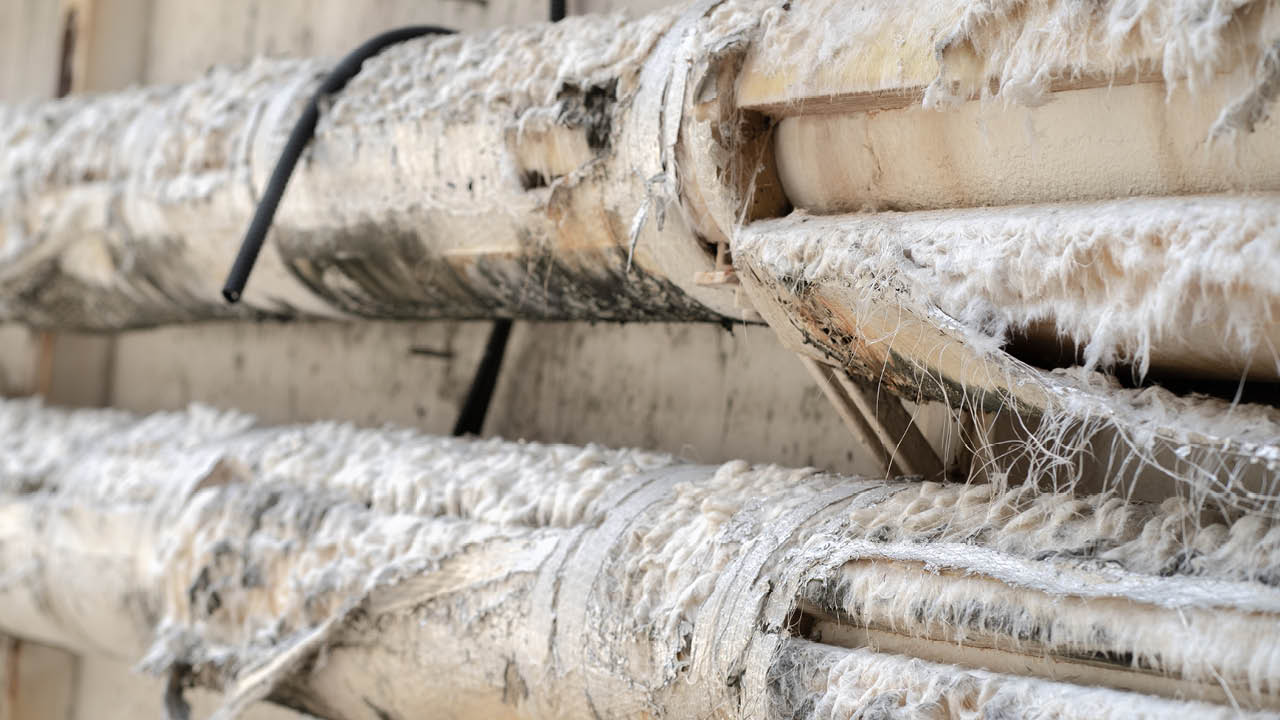
The use of asbestos at the Works was rife in the era of steam power. Used as thermal insulation known as ‘lagging’ on boilers and pipework, and later to insulate train carriages for fire protection. Asbestos had a whole host of other uses from materials used in the fabric of the workshops at the vast site, to use in components in presses and machinery, to insulation boards and floor tiles used in the carriages. Many workers have told stories of ’snowball’ fights with asbestos, and say that it was difficult not to come in to contact with asbestos in some way, shape or form over the years.
Cuts and closure
As the 1980s arrived, the Works were subjected to constant cuts and impacted by the uncertainty in the British Railway industry generally. Locomotive building was outsourced and railway workshops closed. Maintenance work was now undertaken at Crewe and Derby instead. Despite protests from locals and a fight against the closure, the Works could not be saved. 1,100 people were still employed at the Works when it closed on 26 March 1986. The hooter fell silent. The end of an era.
The ‘Swindon Disease’
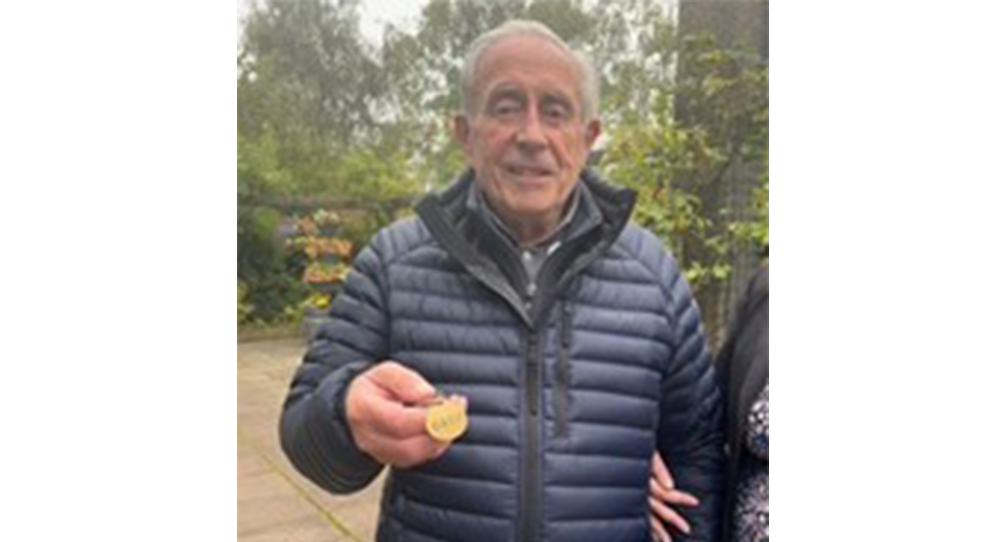
Some workers stayed to help with the wind down operations for a year or two longer. One of those men was Roy who has fond memories and many anecdotes to tell about his 35 year career at the Works. From starting as an office boy at the age of 15 in 1952 for the Outdoor Carriage and Wagon Manager, then undertaking an apprenticeship in fitting, turning and erecting to eventually leaving the Works in 1987 after helping with the closure operations. Roy still has his works number fob on his keys, something he holds dear.
However, like so many Roy’s story doesn’t end there. Sadly, in his 80s he started to experience breathlessness and began to struggle with day-to-day activities. A consultation with the GP led to a referral for a chest x-ray, CT scan and lung function tests which revealed fibrosis in his lungs, later diagnosed as ‘asbestosis’.
Roy was not surprised. He has lost many former workmates over the years due to mesothelioma and asbestos disease, caused by exposure to asbestos. Roy is not alone. Due to the extensive use of asbestos at the Works, Swindon has been disproportionately impacted and has become a ‘hotspot’ for asbestos disease, with mesothelioma, the incurable cancer caused by asbestos, becoming known locally as ‘The Swindon Disease’.
We also acted for the family of John who joined the Works in 1945 completing his apprenticeship in 1952. After undertaking National Service, he returned to the Works again in 1962 working in the Coach Finishing Department undertaking repairs and refurbishment to carriages which included removing the ceiling panels which revealed asbestos which had been sprayed to fireproof the carriages. John left the Works but returned again in 1980 until the Works closed. In the 1990’s John was diagnosed with pleural plaques – scars on the lining of the lungs caused by asbestos. He was told there was a risk he could develop another asbestos disease in the future. John gladly remained well for many years to come but lived with the knowledge that he had asbestos in his lungs. Then in 2017 he became unwell. Following his death a postmortem was undertaken by the coroner revealing he had developed and died from mesothelioma.
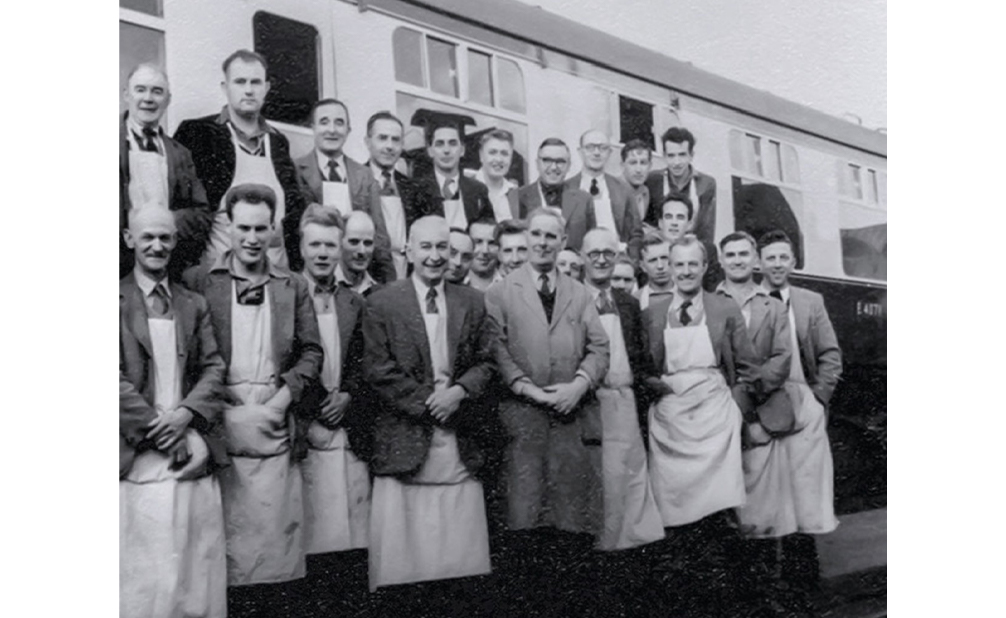
(John pictured front row, third from the left)
Peter was born in Swindon and undertook an apprenticeship in fitting and turning at the Works, frequently coming in to contact with asbestos dust whilst working in the Stamping Shop stripping down steam powered hammers and presses. After completing his apprenticeship, he undertook National Service but returned afterwards where he continued to work in fitting, erecting and boiler making. Peter left the Works in 1960 and was not exposed again to asbestos during his career. However, these years at the Works and exposure to asbestos sadly would lead to Peter being diagnosed with mesothelioma more than 50 years later. A devoted family man, he bravely attended our Action Mesothelioma Day ceremony in Queens Park in July 2017.
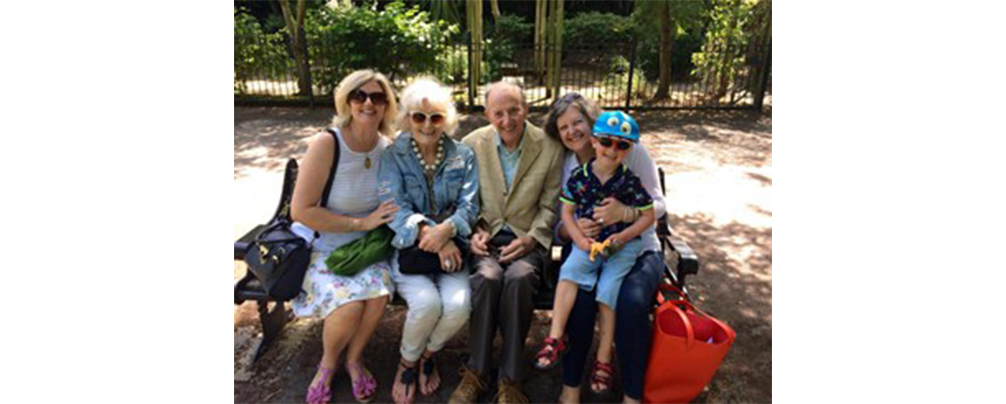
(Peter and his family on Action Mesothelioma Day 2017)
Help available
The men we have represented over the years rarely have a bad word to say about the Swindon Works despite now suffering with incurable illnesses from breathing in asbestos dust during their railway careers. In fact, for many their time at the Works is looked back on fondly. A time of camaraderie and joy, despite the hard work.
Over the years our specialist respiratory solicitors here at RWK Goodman have been honoured to represent those impacted by the legacy of mesothelioma or other asbestos related conditions having worked with asbestos materials at the Swindon Works. Pursing a legal claim for compensation cannot restore good health but it can help with the cost of care and support, and in certain circumstances fund private treatments not yet available through the NHS, aimed at reducing symptoms and helping those impacted to live well with their disease for as long as possible.
We are proud to have led several services at the Mesothelioma Memorial Garden at Queens Park to raise awareness of the dangers of asbestos and to pay tribute to all the men that have lost their lives to these awful illnesses. The most recent being last September on Mesothelioma Awareness Day in conjunction with South Swindon Parish Council and HASAG. We hope to continue doing so in years to come as it is incredibly important that we do not forget those who gave so much to the town.
We are proud to work closely with charity HASAG (www.hasag.co.uk) who have worked tirelessly across the south for an incredible 20 years this year, to raise awareness about the impact of asbestos, and assist those who develop illnesses with accessing government benefits they are entitled to, peer support, social events, the provision of specialist nurse advice and services such as counselling – all at no cost. The service and support they provide is unparalleled.
A day of commemoration
On the 40th anniversary of the closure Swindon will look back and reflect on an industry which changed the shape of the town forever. Many have such good memories and interesting stories to tell about their time at the Works which we hope will live on having been passed down to new generations. However, the industry which shaped the town has also caused much loss and grief due to asbestos, and it is important that we continue to also remember those who gave so much, many losing years of their lives due to just going to work to earn a living, support their families and make Swindon the town it is today. Whilst it is right that Swindon’s great industrial heritage is commemorated, we must not forget the tragic legacy of asbestos disease, and sadly that part of the story is not over.
Events
The 40th anniversary will be marked with a pop-up exhibition of press cuttings, photographs and artefacts from 1986 which will be available to view at STEAM from 24 March 2026. Former railway workers will also meet for a reunion breakfast at the Railway Village’s Community Centre.
At 16.30pm on 26 March 2026, Ron Johnson, the man who sounded the hooter to close the works 40 years ago, will sound the replica steam hooter one more time.
An exhibition called ‘The Last Blast’ will be open for a year and will tell the story of the final years of the Railway Works in Swindon, and there will be a Memory Wall for people of Swindon to share their recollections.
The commemorations will finish on Friday 27 March 2026 with the screening of the 1986 film by Martin Parry ‘Railway Town’ giving a complete account of Swindon’s railway history.
In September 2026 on Mesothelioma Awareness Day, RWK Goodman in conjunction with South Swindon Parish Council and HASAG will host another memorial ceremony will be held at Queen’s Park at the Mesothelioma Memorial Garden. More details will be published on our website and social media channels nearer the time. All welcome.
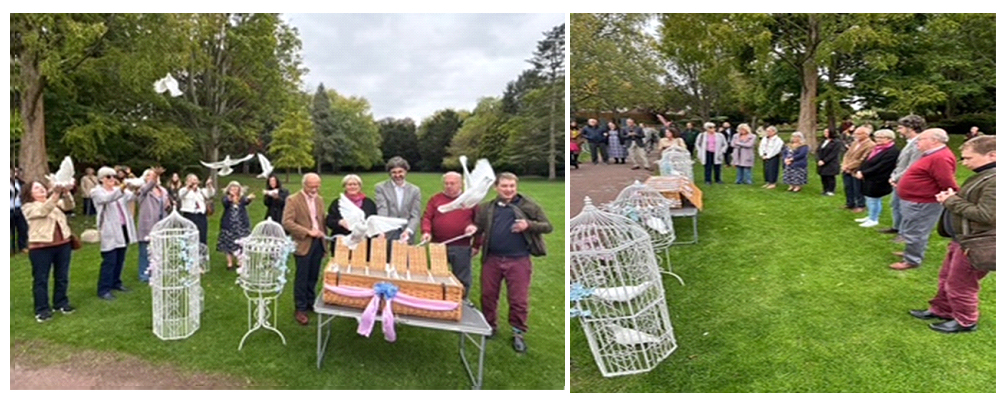
(Mesothelioma Awareness Day 2025, Queens Park, Swindon – Dove Release)

Airborne | Edition 14
View the most recent edition of the team’s “Airborne” newsletter
Welcome to the latest edition of Airborne, our publication dedicated to asbestos awareness and advice.
For an archive of all previous editions of Airborne please click here.

Mesothelioma and you
Our specialist team focuses solely on mesothelioma and asbestos-related disease claims.
We are proud of our excellent reputation in even the hardest of claims, and often secure compensation in these claims.