What you need to know this World Suicide Prevention Day

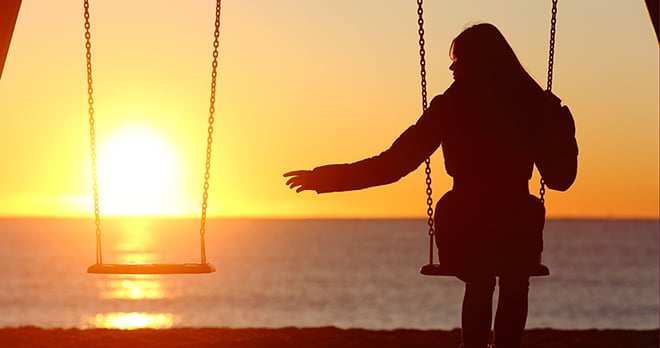
Unfortunately, suicide rates are increasing drastically, especially among young people both in the UK and in Ireland, yet many people do not realise that suicide is one of the leading causes death in young people in England. Focusing on prevention, and raising awareness of it, is key to ensuring that this trend does not continue.
What is World Suicide Prevention Day?
On 10 September 2019 one of the most important days on the wellbeing calendar is acknowledged worldwide; World Suicide Prevention Day (WSPD). The awareness day began in 2003, and is now hosted by the International Association for Suicide Prevention (IASP), in association with the World Health Organisation (WHO) and the World Federation for Mental Health (WFMH).
World Suicide Prevention Day exists in order to raise awareness of the threat of suicide, and to provide knowledge for how we can work together in order to prevent it.
WSPD is an opportunity to raise awareness of suicide prevention measures and to campaign for more action and more funding. The aim of this is to help decrease the numbers of people who take their own lives.
The Government announced earlier this year that it is focusing on suicide prevention in high-risk groups, such as prisoners, inpatients in mental health units, and middle-aged men (who are the highest risk group by age and gender), as well as trying to support research into social causes of suicide, such as debt or gambling.
What is the scale of the problem?
In 2018 alone in the UK, there were a staggering 6,507 suicides. Alarmingly this demonstrates an 11.8% increase in the number of suicides, when compared with the previous year. As a result, and with the risk of suicide increasing, it is more important than ever before that we break down any barriers and encourage greater discussion of suicide and suicide prevention.
How can the number of suicides be reduced?
The IASP is taking steps to achieve the necessary level of communication that we need in order to successfully prevent suicide worldwide, as demonstrated by the fact that in previous years as many as 70 different countries have hosted events on WSPD.
Each year, WSPD is given a theme; and the theme across 2018-2020 is Working Together to Prevent Suicide. This theme demonstrates the most essential parts of suicide prevention; collaboration and communication. With this in mind, and when people ask how they can help, it seems that the best answer is simply to communicate. If you know someone who suffers from depression, then make sure you take the time to speak with them about their wellbeing.
Alternatively, if you are someone who often worries about your own mental wellbeing, then know that WSPD exists in order to break the barriers surrounding suicide. Taking the time to talk with a friend, family member or someone else could be the first step in a new and positive direction.
If you wish to take a more active role in raising awareness for suicide prevention, charities in the UK such as the Samaritans hold campaigns all year round, as well as special events on the 10 September itself. The WSPD website also provides information on preventative initiatives, such as the Take 5 scheme, which aims to aid those struggling with their own mental wellbeing. The scheme also demonstrates how people can support one another, and reach out to close ones in need.
Where can I find support?
There are a large number of organisations that can support those both at risk of suicide and those who have been bereaved by suicide.
Below are a few organisations that may help those who are contemplating suicide:
- Samaritans – samaritans.org
- MIND – mind.org.uk
- Papyrus, prevention of young suicide papyrus-uk.org
And here are some organisations that can help those who have been bereaved by suicide:
- Survivors of bereavement by suicide - uksobs.org
- Cruse bereavement care - cruse.org.uk
- Winton’s Wish - winstonswish.org/death-through-suicide
- Bereaved through alcohol and drugs - beadproject.org.uk
Need more help?
RWK Goodman has seen first hand the devastation that suicide can bring to those left behind, and how difficult it can be for a family and friends to attempt to rebuild their lives afterwards.
We have a specialist legal team who have supported bereaved friends and family who have lost a loved one, due to failures on the part of those looking after them, for example in a prison or mental health setting, or following GP or hospital assessment.