Advertising in fashion and retail: ASA takes hard line on environmental claims in Lacoste, Nike, and Superdry rulings

On 3 December 2025 the UK’s independent advertising regulator the Advertising Standards Authority (the “ASA”) ruled that three separate ads for Lacoste, Nike and Superdry included misleading environmental claims, and that all three ads must not appear again in their existing form. We discuss these rulings and the challenges for brands in staying on the right side of ad law when it comes to sustainability claims.
Absolute claims that a product is "sustainable" are risky
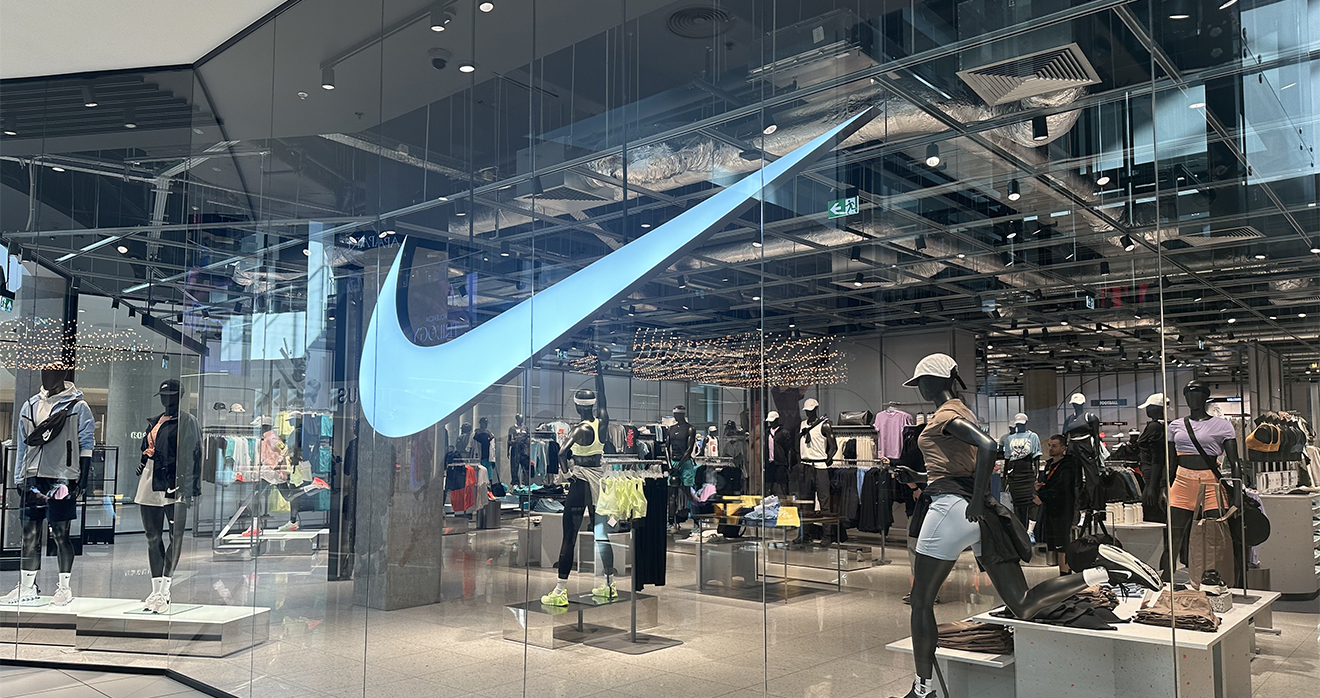
Three separate paid-for Google ads for Lacoste, Nike and Superdry were reviewed by the ASA. Lacoste’s ad included the wording: “Lacoste Kids – Sustainable […] clothing”. Nike’s ad stated the following: “Nike Tennis Polo Shirts – Serve An Ace With Nike […] Sustainable Materials”. Superdry’s ad included the wording: “Superdry: Sustainable Style. Unlock a wardrobe that combines style and sustainability”.
In three separate rulings the ASA found that Lacoste’s claim that its products were “sustainable”, Nike’s claim that its products were made from “sustainable materials”, and Superdry’s claims about “Sustainable Style” had breached the rules of the CAP Code. All three were held to be misleading (rule 3.1), unsubstantiated (rule 3.7), and not compliant with the CAP Code’s environmental rules (rules 11.1, 11.2, 11.4).
All of them were picked up by the ASA’s Active Ad Monitoring system, which uses AI to search for online ads that break its rules. The Lacoste ad was picked up on 24 June 2025, the Nike ad on 18 June 2025, and the Superdry ad on 30 June 2025. The rulings demonstrate how high the bar is for ads that make claims about a product’s sustainability.
Environmental claims: substantiation over style
All three brands had apparently gone to significant lengths to substantiate their claims. Lacoste had carried out analyses on each product for its environmental impact using industry recognised methods, and Nike has used a third-party tool to assess the environmental impact of its materials. Superdry had perhaps gone the furthest of all, obtaining certification from independent body, the Textile Exchange, that its products met certain standards and possessed sustainable attributes and credentials. None of this was sufficient to substantiate the claims they were making.
The “Green Claims Code” published by the Competition and Markets Authority (the “CMA”) makes it clear that broad, general, or absolute environmental claims are likely to mislead consumers. This includes, for example, making a claim that a product is “sustainable”, or that it’s made from “sustainable materials”. The CMA’s view is that use of this kind of language is likely to mislead consumers into believing that the product as a whole has a positive environmental impact – something which is very difficult to substantiate in practice.
Naturally, brands want to inform consumers about their efforts to reduce their environmental impact and address the sustainability challenges faced by the sector. However, an ad that is found to be non-compliant can undermine the brand’s messaging and damage consumer trust. ASA rulings that a well-known brand’s environmental claims are misleading can be quickly picked up by the media, resulting in reputational damage.
What does this mean for the fashion industry?
- The retail and consumer sector is a priority area for regulators looking at environmental claims. With the ASA’s online monitoring system, it’s increasingly less likely that online ads will go under the radar.
- Campaigns to highlight a brand’s environmental and sustainability efforts can backfire, if not carefully thought through.
- In practice, any claim that a product is “sustainable” is likely to be hard to substantiate. The same applies for claims about products being “green”, “sustainable”, or eco-friendly”. Even brands that have invested heavily in making their products sustainable have struggled to meet the high bar set by the ASA and the CMA.
- Claims are more likely to succeed if they are specific, technical and narrow in scope. Absolute claims are particularly hard to substantiate, not least because it’s very difficult to show that an absolute claim is clearly applicable across the full life cycle of a product, and difficult to show that this applies across all product categories.
Contact Mike:
Learn more about our expertise in this area:


More articles from RWK Goodman:





View more articles related to Commercial and Retail, Leisure & Hospitality